
Arm lift (brachioplasty) removes excess skin from the upper arms and improves their contour through a planned surgical procedure. Patients from Adajan usually begin with a consultation, undergo necessary medical tests and then schedule treatment. Recovery requires wound care, activity restrictions and follow-up visits.
Loose upper-arm skin can develop after significant weight loss or as skin elasticity decreases with age. Although exercise strengthens the underlying muscles, it cannot always tighten stretched skin.
For people experiencing hanging upper-arm skin, an arm lift may offer a surgical solution. However, the procedure leaves scars and requires careful recovery planning.
At Elegance Clinic, Dr. Ashutosh Shah evaluates individual concerns, medical history and treatment goals before discussing appropriate surgical options.
What Is Arm Lift (Brachioplasty) and Who Is It For?
An arm lift, medically known as brachioplasty, is a cosmetic surgical procedure that removes excess skin and sometimes fat from the upper arms.
The surgeon reshapes the tissue between the underarm and elbow to create a smoother upper-arm contour.
However, brachioplasty is not a weight-loss treatment. Instead, it addresses loose skin that may remain despite maintaining a healthy weight.
Who May Benefit From an Arm Lift?
Suitable candidates may include adults who:
-
Have significant loose or hanging upper-arm skin.
-
Have maintained a relatively stable body weight.
-
Are in suitable general health for surgery.
-
Do not smoke or can follow a medically supervised smoking-cessation plan.
-
Have realistic expectations about surgical results.
-
Understand that visible scars are part of the procedure.
Patients who have recently lost considerable weight may need to wait until their weight stabilises.
Additionally, uncontrolled diabetes, nutritional deficiencies or other medical conditions may require treatment before surgery.
Can Exercise Remove Loose Arm Skin?
Exercise can strengthen the triceps and surrounding muscles. Nevertheless, it cannot reliably remove substantial excess skin.
Therefore, patients with pronounced skin laxity may consider surgical assessment.
For a detailed explanation of the treatment, explore brachioplasty.
How the Procedure Is Done, Step by Step
Arm lift surgery involves several stages, beginning with consultation and ending with postoperative monitoring.
Step 1: Initial Consultation
During the first appointment, Dr. Ashutosh Shah reviews the patient's concerns, weight history, medical conditions and previous procedures.
The examination helps identify how much excess skin is present and whether the problem involves skin, fat or both.
Step 2: Medical Evaluation
Before surgery, the medical team may recommend blood investigations and other tests according to the patient's health.
The surgeon also reviews prescription medicines, supplements and smoking history.
Patients should disclose all medications because some may affect anaesthesia, bleeding or recovery.
Step 3: Surgical Planning
The surgeon discusses the proposed incision location, expected scars and likely improvement.
A standard arm lift generally involves an incision along the inner or back portion of the upper arm.
However, patients with extensive loose skin extending towards the chest may require a more comprehensive procedure.
For these situations, read about extended brachioplasty.
Step 4: Anaesthesia
Brachioplasty is commonly performed under general anaesthesia, although the appropriate technique depends on the surgical plan.
The anaesthesia team monitors the patient throughout the operation.
Step 5: Removal of Excess Skin
The surgeon makes the planned incisions and removes excess skin. In selected cases, liposuction may also help address localised fat.
Next, the remaining tissues are reshaped, and the incisions are closed with sutures.
Dressings are applied, and compression garments may be recommended.
Step 6: Postoperative Monitoring
After surgery, the team monitors discomfort, circulation, wound condition and recovery from anaesthesia.
The surgeon determines whether the patient can return home or requires hospital observation.
Typical surgery duration: [Surgeon to confirm]
Hospital stay: [Surgeon to confirm]
Quick Facts: Arm Lift Surgery
| Treatment detail | What patients should know |
|---|---|
| Procedure duration | [Surgeon to confirm typical duration] |
| Anaesthesia | [Surgeon to confirm usual anaesthesia] |
| Hospital stay | [Surgeon to confirm same-day discharge or overnight stay] |
| Back to work | [Surgeon to confirm typical recovery period] |
| Follow-up visits | [Surgeon to confirm schedule and number] |
Medical review note: Dr. Ashutosh Shah must approve all clinic-specific details and bracketed figures before publication. Individual recovery and treatment requirements may differ.
Recovery: What the First Weeks Look Like
Recovery after an arm lift varies according to the amount of skin removed, incision length and individual healing.
Most patients experience some swelling, bruising, tightness and discomfort during early recovery.
However, following postoperative instructions can help reduce avoidable complications.
First 24–48 Hours
Immediately after surgery, patients may feel tightness around the upper arms.
The medical team provides pain-management instructions and explains how to protect the incisions.
Gentle walking is generally encouraged when medically appropriate. However, patients should avoid activities that strain the arms.
First Week
During the first week, swelling and bruising may remain noticeable.
Patients may need assistance with dressing, household tasks and lifting objects.
Keep dressings clean and dry according to the surgeon's instructions. Additionally, attend scheduled wound assessments.
Weeks Two to Four
Swelling may gradually improve, although the arms can remain sensitive.
Some patients return to desk-based work during this period, depending on their recovery.
Nevertheless, repetitive arm movements, strenuous exercise and heavy lifting may still require restrictions.
Weeks Five to Six
Many patients experience improved comfort and mobility.
However, the surgeon should assess healing before allowing demanding exercise or activities that stretch the incisions.
Long-Term Healing
Arm contours become clearer as swelling settles.
Surgical scars may remain visible and can take 12–18 months or longer to mature.
Scar appearance depends on skin characteristics, incision location, healing and postoperative care.
For more information, read arm lift surgery scar.
Warning Signs During Recovery
Contact your surgical team if you experience increasing redness, fever, worsening pain, unusual discharge or wound separation.
Sudden chest pain or breathlessness requires emergency medical attention.
Which Factors Change the Cost?
The cost of brachioplasty depends on the patient's anatomy and the proposed surgical plan.
Therefore, a personalised written estimate is more reliable than a general advertised price.
1. Amount of Excess Skin
Patients with limited loose skin may require a different procedure from those with extensive skin laxity.
The amount of tissue removal can influence surgical complexity.
2. Standard or Extended Brachioplasty
An extended arm lift may involve longer incisions and additional tissue reshaping.
Consequently, it may require more operating time and postoperative care.
3. Liposuction Requirements
Some patients may benefit from liposuction alongside skin removal.
However, liposuction alone cannot reliably correct substantial hanging skin.
4. Anaesthesia and Hospital Facilities
Anaesthesia, operating theatre services and hospital monitoring contribute to the overall expense.
5. Investigations and Recovery Care
Preoperative tests, prescribed medicines, dressings, compression garments and follow-up visits may affect the final amount.
Before booking surgery, ask for an itemised quotation that explains what is included and which services may involve additional charges.
Planning Arm Lift (Brachioplasty) in Adajan Surat
Patients considering arm lift (brachioplasty) in adajan surat can arrange a consultation to discuss their concerns and understand the treatment process.
Planning ahead is important because even a relatively local surgical appointment requires postoperative support.
Before Your Appointment
Prepare information about:
-
Current and previous medical conditions.
-
Recent changes in body weight.
-
Prescription medicines and supplements.
-
Previous operations.
-
Smoking or nicotine use.
-
Any previous problems with wound healing.
The surgeon may also request relevant medical reports.
Reaching the Clinic From Adajan
Before travelling, confirm the clinic's exact address, appointment time and whether any investigations are required.
If the appointment is for surgery, follow the anaesthesia team's fasting and medication instructions.
Additionally, arrange for a responsible adult to accompany you home when sedation or general anaesthesia is used.
After Your Procedure
Do not drive yourself home immediately after anaesthesia.
Plan for assistance with daily activities, particularly tasks involving lifting or reaching.
The surgical team should confirm when you can safely drive, return to work and resume exercise.
Planning Follow-Up Visits
Ask which appointments are necessary for wound checks, dressing changes and scar assessment.
Also confirm whom to contact if unexpected symptoms develop between appointments.
Recommended follow-up schedule: [Surgeon to confirm]
Questions to Ask Before You Decide
Before choosing an arm lift, discuss the expected benefits, limitations and risks with your surgeon.
Important questions include:
-
Am I a suitable candidate for brachioplasty?
-
Will a standard or extended arm lift be more appropriate?
-
Where will my scars be located?
-
Can liposuction alone address my concerns?
-
What are the risks of bleeding, infection or delayed healing?
-
How long should I take leave from work?
-
When can I resume driving and exercise?
-
How many follow-up appointments will I need?
-
What expenses are included in the quotation?
-
What results can I realistically expect?
A thorough consultation helps you understand the trade-off between improved arm contour and permanent surgical scars.
Conclusion
Arm lift surgery can improve upper-arm contour when excess skin does not respond to exercise or weight management.
However, successful planning requires realistic expectations, medical assessment and careful postoperative recovery.
At Elegance Clinic, Dr. Ashutosh Shah can evaluate loose upper-arm skin, explain suitable surgical techniques and discuss recovery, risks and expected costs.
Considering an arm lift? Contact Elegance Clinic to arrange a consultation and discuss the next steps.
Frequently Asked Questions
How Long Does Arm Lift (Brachioplasty) Take on the Day?
The duration depends on the amount of excess skin, incision length and whether liposuction is included. Patients also need time for anaesthesia preparation and postoperative monitoring. A personalised surgical plan provides the most accurate estimate.
How Many Follow-Up Visits Are Needed?
Most patients need several postoperative reviews to monitor wound healing, swelling and scar development. Early appointments may involve dressing changes or suture assessment. The exact number depends on the surgical technique and individual recovery.
Can the First Consultation Be Online?
An initial online discussion may be possible if the clinic offers this service. It can help review medical history, treatment concerns and previous reports. However, a physical examination is generally necessary before final surgical planning. Patients should confirm consultation availability directly with Elegance Clinic before making arrangements.
When Can I Travel After Treatment?
Travel timing depends on anaesthesia, postoperative discomfort, wound condition and the length of the journey. Patients researching arm lift (brachioplasty) in adajan surat should arrange assistance with returning home and avoid driving immediately after surgery.
When Will the Final Result Show?
Initial improvement in arm contour may be visible after surgery, but swelling can temporarily affect the appearance. The shape becomes clearer over the following months as tissues settle. Scars usually take longer to mature and may remain visible permanently. Individual healing and weight changes can influence the final outcome.
Reclaim the body you earned
Book a private consultation with Dr. Ashutosh Shah at Elegance Clinic, Surat, for an honest plan made for you.
Book a Consultation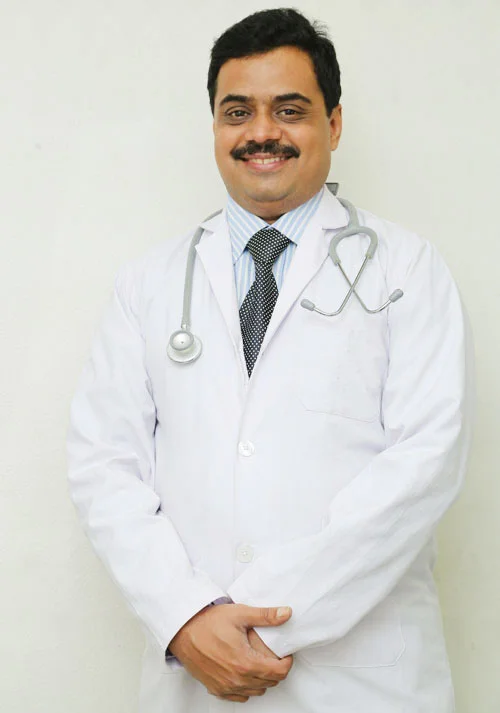
About Dr. Ashutosh Shah
Dr. Ashutosh Shah, M.S., M.Ch. (Plastic Surgery), has over 22 years of experience in body contouring after weight loss. He leads Elegance Clinic, Surat, with centres at Adajan and Vesu, and is known for honest counseling and natural looking results.