Weight loss often leaves the breasts flatter and lower than before. At Elegance Clinic in Surat, we restore a natural lift, shape, and balance that feels like you.
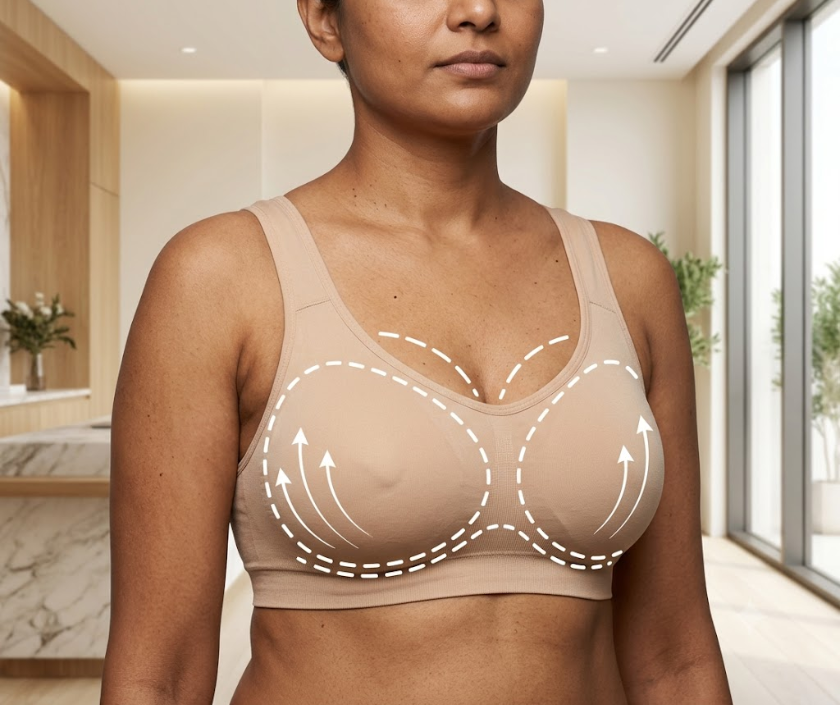
Breast surgery after weight loss lifts breasts that have dropped and, where needed, replaces the volume that weight loss took away. A lift on its own raises and reshapes the breast but does not make it larger or fill the upper part. Which operation you need depends on how much volume is left and how much skin has to be removed.
After major weight loss the breast often behaves like the rest of the body: the fat goes and the skin stays. This page explains why that happens, which of the nine procedures we offer suits which pattern, where the scars sit, what recovery involves, and what to weigh up before adding an implant.
Because weight loss reduces the volume inside the breast while the skin around it does not shrink to match. The breast then sits lower and flatter than before.
The American Society of Plastic Surgeons lists weight changes alongside pregnancy, breastfeeding, ageing, gravity and heredity as causes of lost shape and firmness. After major weight loss the change can be marked, and it can come with a fold of loose skin at the side of the chest.
A breast lift, or mastopexy, raises the breast by removing excess skin and tightening the tissue around it. The nipple and areola are moved to a higher position, and an areola that has stretched can be made smaller at the same time.
What it does not do matters as much. The American Society of Plastic Surgeons states that a lift does not significantly change breast size and does not round out the upper part of the breast. If you want more fullness, a lift is combined with added volume. If the breasts are still heavy, it is combined with a reduction.
| Procedure | Best for | What it involves |
|---|---|---|
| Mastopexy (breast lift) | Breasts that have dropped but still have enough volume | Skin removed, tissue reshaped, nipple raised. No implant |
| Auto-augmentation mastopexy | Dropped breasts that have lost fullness, where you prefer no implant | A lift that uses your own tissue to add volume |
| Mastopexy with implants | Breasts that are both dropped and emptied | A lift and an implant planned together |
| Hybrid breast augmentation | Added fullness with a softer edge | An implant combined with your own fat |
| Fat grafting | A modest increase in volume | Your own fat moved from another area |
| Breast reduction | Breasts that remain heavy after weight loss | Tissue and skin removed, breast lifted |
| Breast fold correction | Skin folds that stay beneath or beside the breast | The fold is removed and the side of the chest smoothed |
| Nipple-areola reshaping | A stretched or enlarged areola | Skin removed at the edge of the areola |
| Internal mesh support | Thin, stretched tissue that may not hold a lift on its own | Internal support added to the lift in selected cases |
Several of these are combined in one plan. The choice is made on examination, by measuring how far the nipple has dropped and how much breast tissue is left to work with. The wider range of operations is described in our post on the different types of breast surgery.
It depends on how far the breast has dropped. The American Society of Plastic Surgeons describes three patterns:
The Cleveland Clinic notes that the anchor pattern is often used for people with more sagging or who are also having a reduction. Which pattern your shape needs is shown to you at the consultation.
Each route has a trade, and none of them is right for everyone.
On implants, the US Food and Drug Administration is direct: breast implants are not considered lifetime devices, and some complications need further surgery. Hardening of the scar tissue around the implant (capsular contracture) and rupture are among the complications it names. This is discussed in full before you decide.
The checks we carry out before any operation are listed under eligibility and preparation.
Quicker than the trunk operations, though the breasts take months to reach their final shape. Your own timeline is set at follow up. The stages below follow the Cleveland Clinic guidance.
General advice on healing is in our recovery guide.
The risks named by the American Society of Plastic Surgeons are changes in nipple or breast sensation, which may be temporary or permanent, uneven shape between the two sides, poor healing of the incisions, bleeding or a blood collection (haematoma), infection, fluid collection, and the possibility of further surgery. Partial or total loss of the nipple and areola is listed as a potential risk.
The Cleveland Clinic adds that breastfeeding may not be possible afterwards. If you may want to breastfeed in future, say so at the consultation, because it changes the plan.
Around the areola and, where more lift is needed, also down the lower breast and along the crease beneath it. The American Society of Plastic Surgeons states that incision lines are permanent, and that in most cases they fade and improve significantly over time. The scar in the crease sits in a natural fold of the breast.
The American Society of Plastic Surgeons describes results as long lasting, with the breasts continuing to change through ageing and gravity. A steady weight is the main thing that protects the result. A later pregnancy or a further large change in weight can undo part of it.
Usually after the trunk. The abdomen and lower body are treated first, the arms and thighs follow, and breast or chest reshaping completes the plan. The order is explained in our staging guide and the total body transformation programme.
Men with loose chest skin after weight loss are covered separately under male chest correction.
The figure depends on which procedure is planned, whether an implant is used and which one, the incision pattern, and whether it is combined with another operation. A lift with an implant usually costs more than a lift alone.
You receive a clear written estimate after examination, and EMI options are available.
At the consultation, Dr. Ashutosh Shah measures how far the breast has dropped, assesses how much tissue is left, and shows you which incision pattern your shape needs. You see where the scars will sit before you decide anything.
If a lift alone will not give the fullness you are hoping for, you will be told that plainly, along with what each way of adding volume involves. To arrange an assessment at Adajan or Vesu, contact the clinic. For a neutral summary of the procedure and its risks, see the Cleveland Clinic overview of breast lift surgery.
A breast lift that raises and reshapes sagging breasts after weight loss in Surat.
View details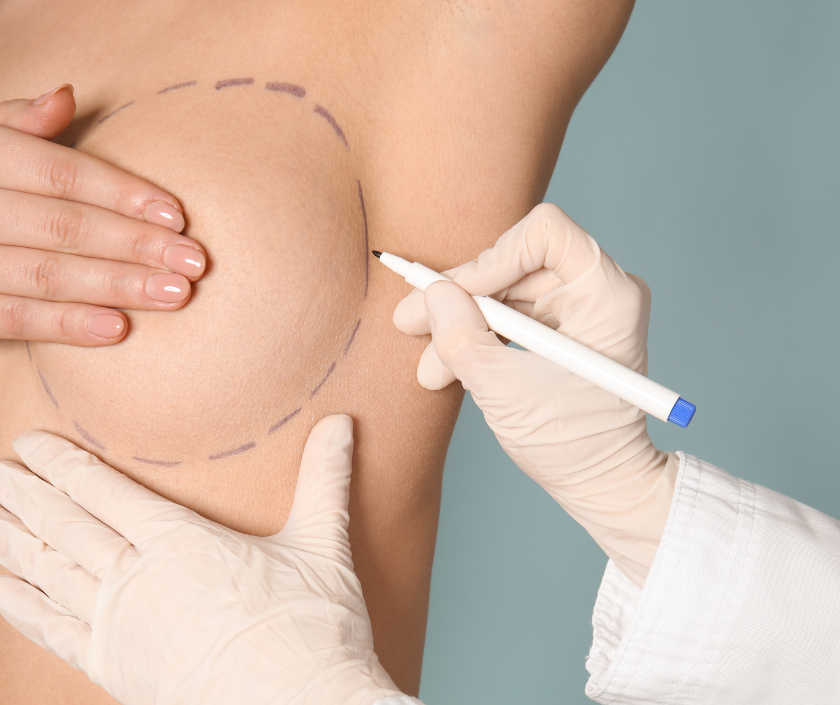
A breast lift that uses your own tissue for volume, no implant, in Surat.
View details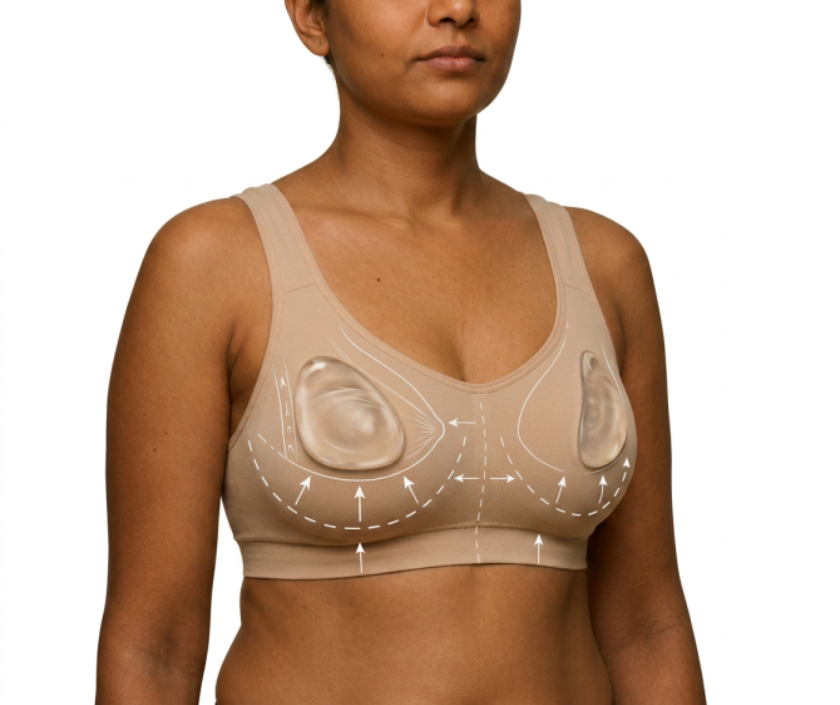
A breast lift combined with implants for shape and fullness in Surat.
View details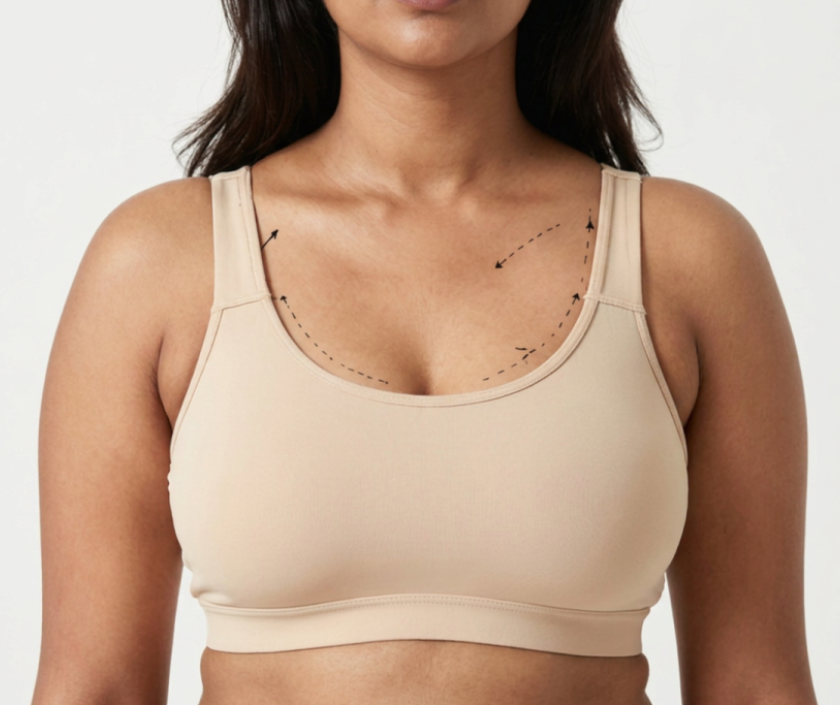
Implants plus your own fat for a soft, natural breast shape in Surat.
View details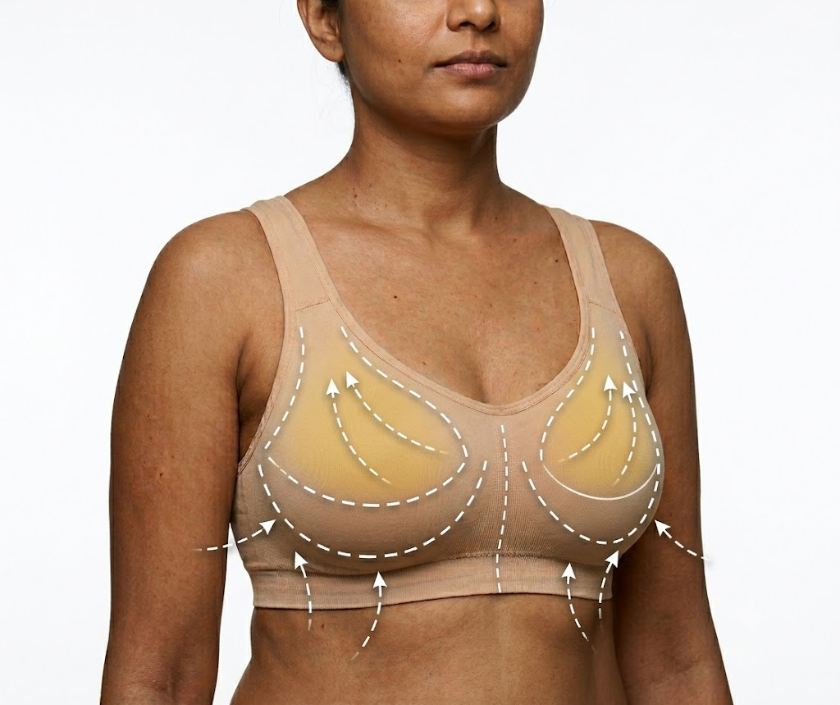
Add natural breast volume using your own fat, no implant, in Surat.
View details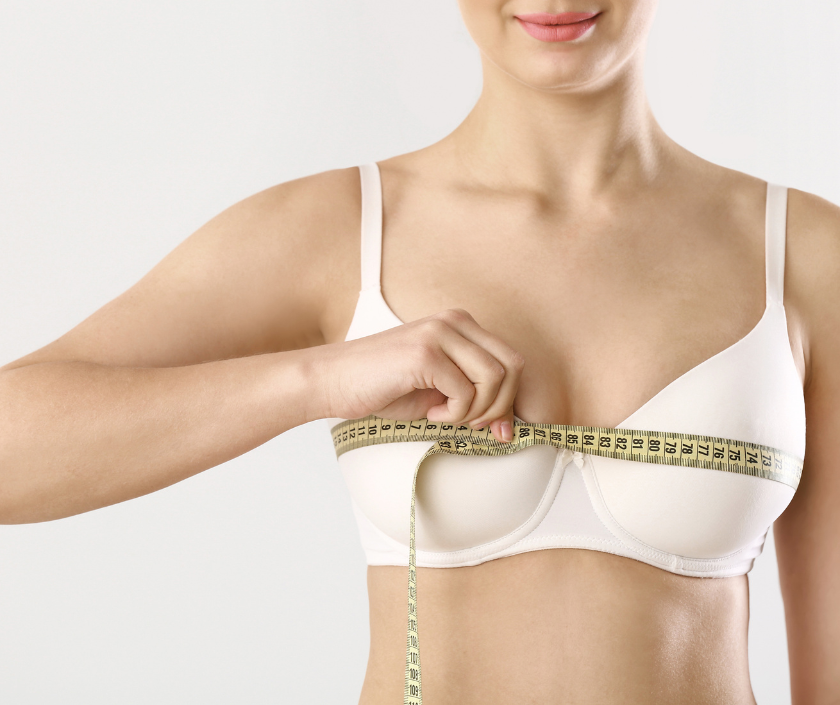
Reduce heavy breasts for comfort and a balanced shape in Surat.
View details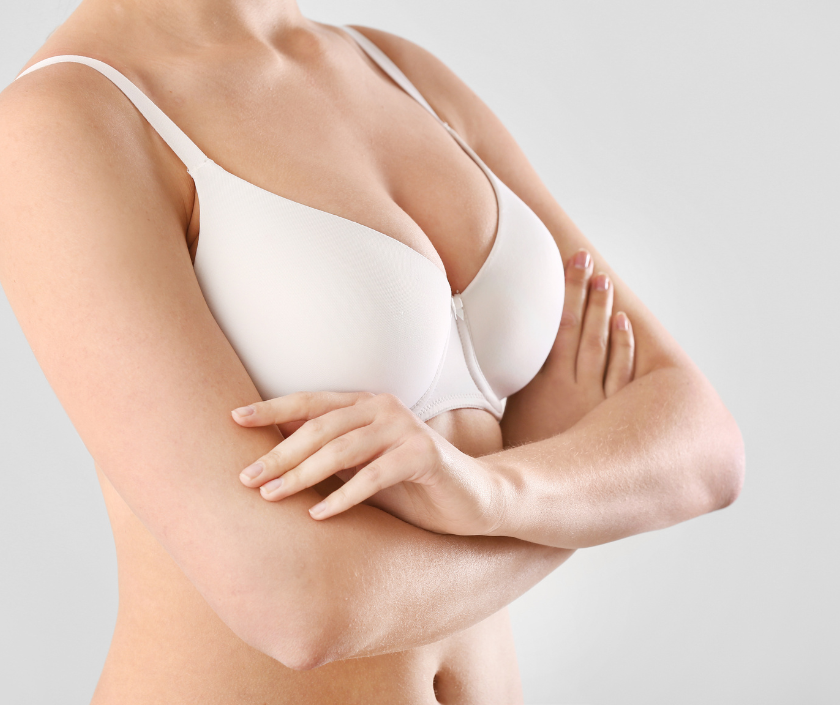
Correct loose folds and skin under and around the breast in Surat.
View details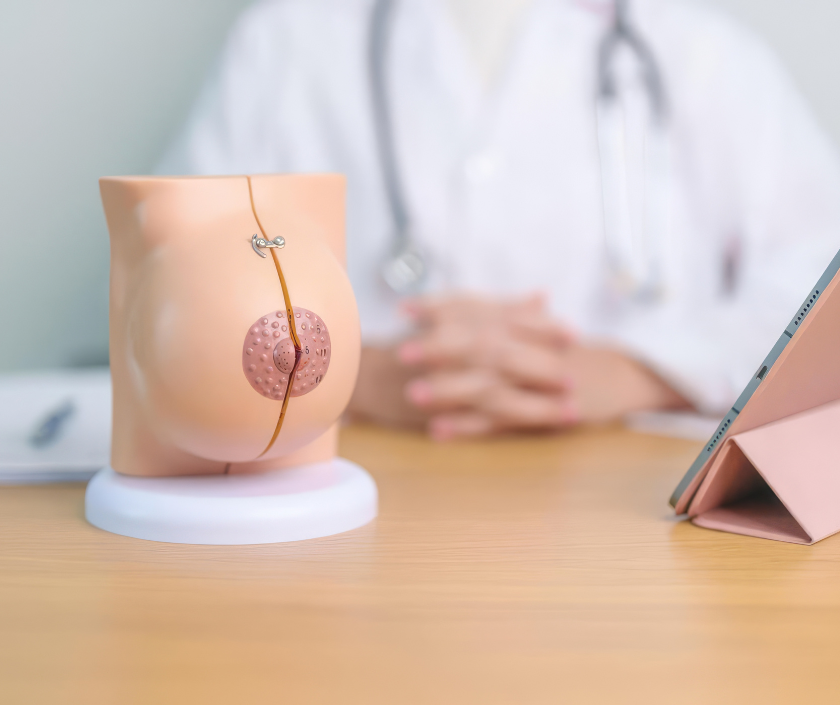
Reshape and resize the nipple and areola for natural balance in Surat.
View details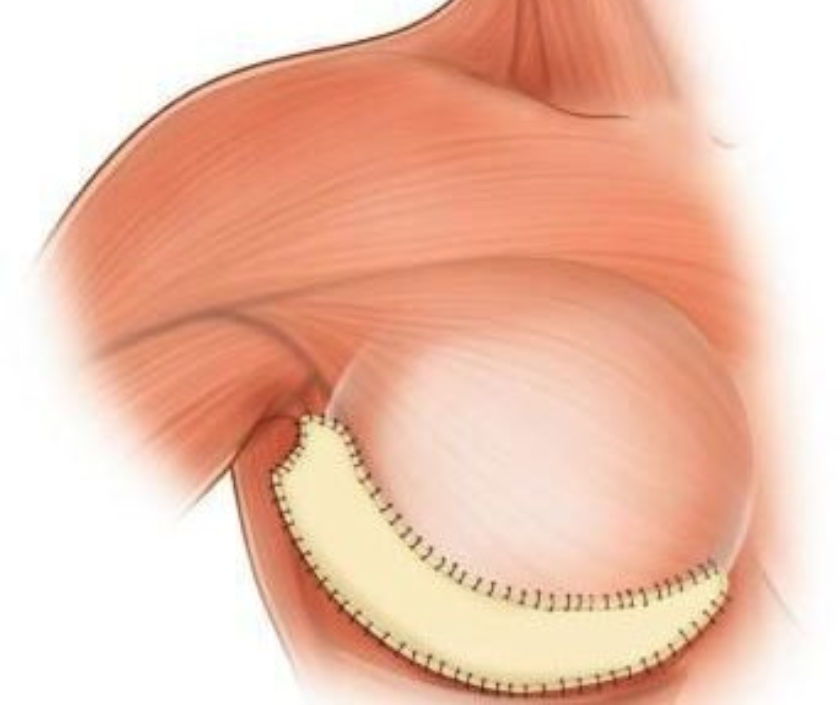
Internal support to hold breast shape and reduce sagging over time in Surat.
View detailsHonest answers about this procedure in Surat.
Ask a QuestionSpeak with Dr. Ashutosh Shah at Elegance Clinic, Surat.
