

Key Takeaways
Key Takeaways
- Rough and uneven facial skin can result from sun damage, acne scars, ageing, dryness, or pigmentation.
- Laser skin resurfacing can improve skin texture and promote collagen production.
- The treatment may help reduce fine lines, acne scars, enlarged pores, and uneven pigmentation.
- Other options include chemical peels, microneedling, and professional skincare treatments.
- The right treatment depends on your skin type and specific concerns.
- Proper sun protection and aftercare can help maintain smoother-looking skin.
- A qualified cosmetic professional should assess your skin before treatment.
If your facial skin feels rough, looks dull, or has an uneven texture, you can improve it without surgery. The right treatment depends on the cause, such as sun damage, acne scars, enlarged pores, fine lines, pigmentation, or reduced collagen.
Laser skin resurfacing is one of the effective non-surgical options for improving skin texture and overall appearance. It removes or remodels damaged skin layers and encourages collagen production, which can help create smoother, more even-looking skin.
What Causes Rough and Uneven Facial Skin?
Several factors can affect facial skin texture and tone, including:
- Sun exposure and UV damage
- Acne scars and previous breakouts
- Fine lines and wrinkles
- Uneven pigmentation
- Enlarged pores
- Loss of collagen with age
- Dry skin
- Environmental pollution
- Natural skin ageing
Therefore, identifying the underlying cause is an important first step before choosing a treatment.
Can Laser Resurfacing Improve Rough Skin?
Yes, laser skin resurfacing can improve rough and uneven facial skin by targeting damaged skin and stimulating collagen production.
Depending on the laser technology and treatment plan, it may help improve:
- Rough skin texture
- Fine lines
- Acne scars
- Uneven pigmentation
- Sun-damaged skin
- Enlarged pores
- Dull-looking skin
As new collagen develops, the skin can gradually become smoother and more refined.
How Does Laser Skin Resurfacing Work?
Laser resurfacing uses controlled laser energy to treat targeted areas of the skin. The energy can remove damaged outer skin layers or heat deeper tissues, depending on the type of laser used.
This controlled treatment encourages the skin's natural healing process. As a result, collagen and elastin production can increase, helping improve skin texture over time.
The exact laser and settings should be selected according to your skin type, concerns, and desired results.
Is Laser Resurfacing Suitable for Everyone?
Not everyone needs or is suitable for the same laser treatment. Your skin type, pigmentation, existing skin conditions, medications, and treatment goals should be considered before the procedure.
People with darker Indian skin tones may require particularly careful laser selection and settings because some laser treatments can increase the risk of pigmentation changes.
A qualified cosmetic surgeon or dermatologist should evaluate your skin before recommending treatment.
Are There Other Ways to Improve Uneven Skin?
Yes. Depending on the cause, your doctor may recommend other non-surgical options, such as:
- Chemical peels
- Microneedling
- Medical-grade skincare
- Skin rejuvenation treatments
- Pigmentation treatments
- Other laser procedures
For example, someone with mainly pigmentation may need a different approach from someone with deep acne scars or significant skin texture concerns.
How Many Laser Sessions Are Needed?
The number of sessions varies according to the condition being treated and the type of laser used. Some people may notice improvement after one treatment, while others may require multiple sessions for more significant concerns.
Your doctor can recommend a treatment schedule after examining your skin.
Is There Downtime After Laser Resurfacing?
Downtime depends on the type and intensity of laser treatment. Mild treatments may cause temporary redness and sensitivity, while stronger resurfacing treatments can require more recovery time.
After treatment, your skin may appear red or feel sensitive. Your doctor will provide specific aftercare instructions, including sun protection and skincare recommendations.
How Can You Maintain Smoother Skin After Treatment?
Protecting your skin after treatment is important. You can support your results by:
- Applying broad-spectrum sunscreen regularly
- Avoiding excessive sun exposure
- Following your prescribed skincare routine
- Keeping your skin moisturized
- Avoiding harsh products during recovery
- Following your doctor's aftercare instructions
These habits can also help protect your skin from further sun damage and premature ageing.
When Should You Consider Professional Treatment?
If skincare products are not improving persistent roughness, acne scars, pigmentation, or uneven texture, professional assessment may be worthwhile.
At Elegance Clinic, Dr. Ashutosh Shah can evaluate your skin and recommend an appropriate non-surgical treatment based on your concerns and skin type. Laser resurfacing may be considered when damaged skin, uneven texture, fine lines, or certain scars are the primary concerns.
Final Thoughts
You do not necessarily need surgery to improve rough and uneven facial skin. Laser skin resurfacing can help improve texture, stimulate collagen, and address several common signs of skin damage and ageing.
However, the best treatment depends on your specific skin concern. A personalized evaluation can help determine whether laser resurfacing or another non-surgical treatment is more appropriate for you.
Frequently Asked Questions
Can laser resurfacing make rough skin smoother?
Yes. Laser resurfacing can remove or remodel damaged skin and stimulate collagen production, which may improve skin texture and create a smoother appearance.
Can laser resurfacing treat uneven skin tone?
Yes. Certain laser treatments can help address pigmentation, sun damage, and uneven skin tone. However, the appropriate laser depends on your skin type and the cause of pigmentation.
Can laser resurfacing reduce acne scars?
Laser resurfacing can improve the appearance of certain acne scars by resurfacing damaged skin and stimulating collagen. The results depend on the type and depth of the scars.
How many laser resurfacing sessions will I need?
The number of sessions varies depending on your skin condition, the laser used, and your desired results. Some concerns may improve after one session, while others require multiple treatments.
Is there downtime after laser skin resurfacing?
Downtime depends on the type and intensity of the treatment. Mild resurfacing may cause temporary redness and sensitivity, while deeper treatments generally require a longer recovery period.
Reclaim the body you earned
Book a private consultation with Dr. Ashutosh Shah at Elegance Clinic, Surat, for an honest plan made for you.
Book a Consultation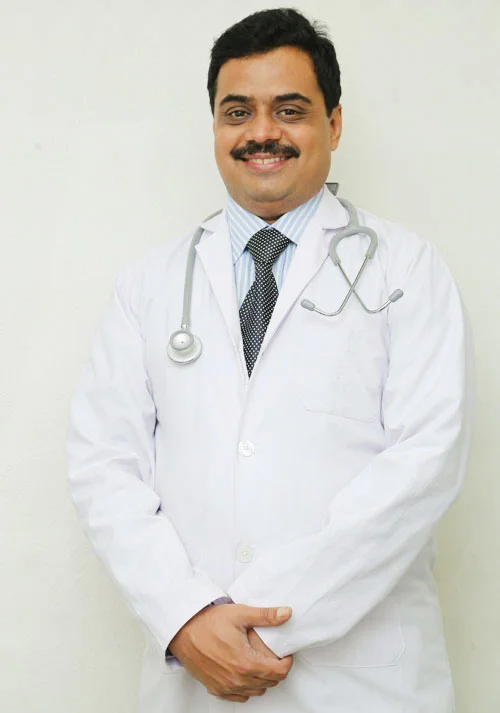
About Dr. Ashutosh Shah
Dr. Ashutosh Shah, M.S., M.Ch. (Plastic Surgery), has over 22 years of experience in body contouring after weight loss. He leads Elegance Clinic, Surat, with centres at Adajan and Vesu, and is known for honest counseling and natural looking results.