
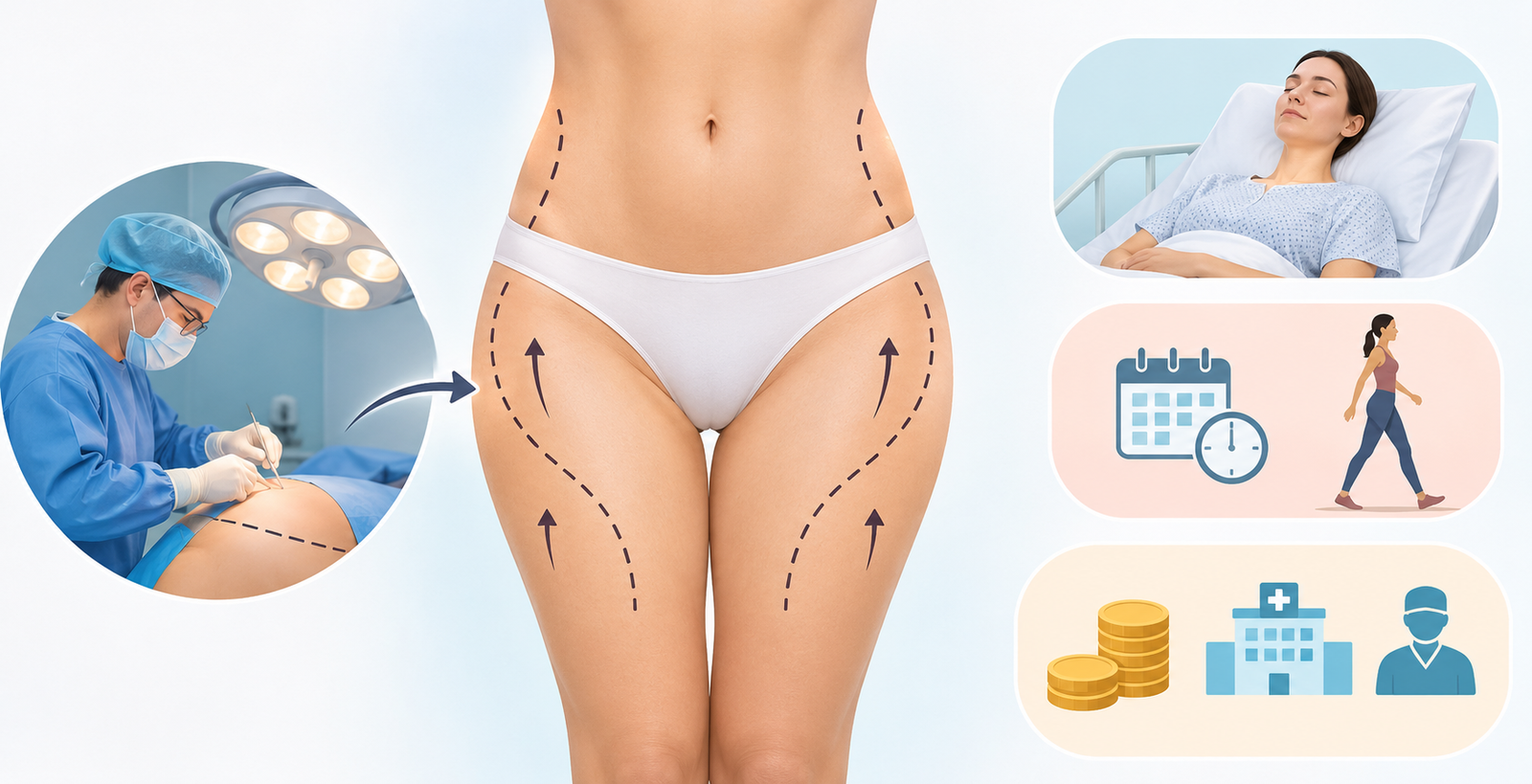
A lower body lift removes excess skin around the abdomen, waist, hips and buttocks through a planned surgical procedure, recovery period and follow-up care. Patients from Ghod Dod Road usually begin with a consultation, complete medical tests and arrange treatment on a suitable date.
Significant weight loss can improve general health, but loose skin may remain around the lower body. This can affect clothing comfort, personal hygiene, mobility and confidence.
At Elegance Clinic, Dr. Ashutosh Shah, a plastic and reconstructive surgeon, can assess these concerns and recommend an appropriate treatment plan based on individual anatomy, health and expectations.
1. What Is Lower Body Lift and Who Is It For?
A lower body lift is a body contouring procedure designed to remove excess skin and reshape the lower torso. It may address several connected areas rather than treating the abdomen alone.
People who have experienced significant weight loss through bariatric surgery, dietary changes or other medically supervised methods may develop loose skin that does not respond adequately to exercise.
Which areas can a lower body lift address?
Depending on individual requirements, treatment may improve:
-
Loose abdominal skin.
-
Excess skin around the waist.
-
Sagging buttocks.
-
Skin folds around the hips.
-
Laxity around the lower back and outer thighs.
A lower body lift differs from a tummy tuck because it can address skin laxity around a larger portion of the torso. Read this comparison of lower body lift vs tummy tuck to understand the differences.
Who may be a suitable candidate?
Suitable candidates generally have stable body weight, adequate nutrition, realistic expectations and sufficient general health to undergo surgery.
People with uncontrolled diabetes, nutritional deficiencies, active infections or ongoing significant weight changes may need to postpone treatment.
A lower body lift is not a weight-loss operation. Its purpose is to improve body contours by removing excess tissue.
2. How the Lower Body Lift Procedure Is Done, Step by Step
The lower body lift procedure steps depend on the amount of excess skin, its distribution and the patient's medical condition.
Step 1: Initial consultation
Dr. Ashutosh Shah evaluates the patient's medical history, previous operations, weight changes and areas of concern. The consultation also covers expected results, permanent scars and possible complications.
Step 2: Medical assessment
Patients may require blood tests, nutritional assessment and anaesthesia evaluation. Those who have undergone bariatric surgery may need additional attention to protein, iron and vitamin deficiencies.
Step 3: Surgical planning
The surgeon determines the incision pattern and identifies the areas requiring correction. Depending on the extent of loose skin, treatment may involve a circumferential incision around the lower torso.
Some patients may benefit from staged procedures rather than combining several operations.
Step 4: Excess skin removal
During surgery, excess skin and selected underlying tissue are removed. Remaining tissues are repositioned to improve the lower body's contours.
Liposuction may be considered in selected cases, depending on safety and treatment requirements.
Step 5: Closure and postoperative monitoring
The incisions are closed, and dressings are applied. Drains or compression garments may be recommended according to the surgical technique.
Explore the available body lift procedures to understand how treatment can be adapted to different concerns.
Lower Body Lift: Quick Facts
| Treatment Factor | Details |
|---|---|
| Procedure duration | [Surgeon to confirm typical duration] |
| Anaesthesia | Usually general anaesthesia; [confirm individual plan] |
| Hospital stay | [Clinic to confirm expected stay] |
| Back to work | [Surgeon to confirm according to occupation] |
| Follow-up visits | [Clinic to confirm schedule] |
3. Recovery: What Do the First Weeks Look Like?
Lower body lift recovery varies according to surgical extent, general health, wound healing and postoperative care.
The first few days
Swelling, bruising, discomfort and restricted movement are expected after surgery. Patients should take prescribed medicines and follow instructions regarding dressings, drains and sleeping positions.
Gentle walking may be encouraged when medically appropriate to support circulation.
The first week
Early recovery focuses on wound care, adequate nutrition and avoiding unnecessary strain. Patients may need assistance with household activities, dressing and transportation.
Heavy lifting, strenuous exercise and sudden stretching should be avoided.
The following weeks
Daily activities can gradually increase as healing progresses. However, returning to work, driving and exercise requires individual assessment.
Patients with physically demanding occupations may require more recovery time than those with desk-based jobs.
Long-term healing
Swelling gradually improves, while surgical scars continue to mature over several months. Maintaining stable weight supports longer-lasting results.
Lower body lift follow up visits allow the surgeon to assess healing, identify complications and adjust activity restrictions.
Contact the surgical team if you develop increasing redness, fever, worsening pain, wound separation or unusual discharge.
Sudden breathlessness, chest pain or new painful swelling in one leg requires urgent medical assessment.
4. Which Factors Change the Cost of Lower Body Lift?
Lower body lift costs vary because each patient requires a different surgical plan. A reliable estimate should follow a clinical examination rather than being based solely on photographs or telephone enquiries.
Extent of treatment
Removing skin from several connected areas may require more extensive surgical planning and operating time than correcting a smaller region.
Surgical technique
The incision pattern, tissue repositioning and whether additional contouring is required can influence the overall cost.
Anaesthesia and hospital facilities
Anaesthesia fees, operating theatre charges, postoperative monitoring and hospital accommodation may form part of the treatment estimate.
Medical investigations and aftercare
Blood tests, medicines, dressings, compression garments and follow-up appointments may be included or charged separately.
Additional procedures
Some patients have concerns involving other body regions after major weight loss. For example, separate intimate rejuvenation procedures may be discussed when medically appropriate.
Combining treatments is not suitable for everyone. Staged surgery may be recommended to manage operative risks.
Always request a written estimate explaining included services, exclusions and possible additional expenses.
5. Planning a lower body lift in ghod dod road surat: Reaching the Clinic
Patients planning surgery should consider consultation arrangements, medical investigations, transportation and postoperative support before confirming a treatment date.
Arrange your consultation
Prepare previous medical reports, bariatric surgery records, current prescriptions and information about recent weight changes.
An initial discussion can help identify whether a lower body lift is appropriate or whether another contouring procedure may better address your concerns.
[Clinic to confirm online consultation availability.]
Prepare for surgery day
Confirm admission instructions, fasting requirements and medication guidance with the surgical team. Do not independently stop prescribed medicines.
Arrange for a responsible adult to accompany you and assist during early recovery.
Plan follow-up appointments
Even when the clinic is within convenient travelling distance, patients should avoid unnecessary journeys immediately after major surgery.
Confirm transportation arrangements and follow-up dates before discharge. Returning to the clinic promptly is important if wound-related concerns develop.
6. Questions to Ask Before You Decide
A lower body lift is a major surgical procedure. Understanding its benefits, limitations and risks helps patients make informed decisions.
Before proceeding, discuss these questions with your surgeon:
-
Am I medically suitable for a lower body lift?
-
Is my weight sufficiently stable?
-
Where will the surgical scars be located?
-
Should treatment be performed in separate stages?
-
What complications could occur?
-
How much time should I take off work?
-
What does the written treatment estimate include?
-
How will postoperative concerns be managed?
Realistic expectations are essential. Although surgery can improve body contours, it cannot guarantee perfect symmetry, invisible scars or permanent protection against future skin laxity.
Conclusion
A lower body lift may help suitable patients address excess skin after significant weight loss. Careful assessment, nutritional preparation, realistic expectations and appropriate postoperative support are important for recovery.
At Elegance Clinic, Dr. Ashutosh Shah can explain suitable treatment options, surgical risks, recovery requirements and estimated expenses.
For consultation and appointment information, visit the contact page.
Frequently Asked Questions
How long does lower body lift take on the day?
The duration depends on the amount of excess skin, areas being treated and surgical technique. Additional time may be required for anaesthesia preparation and postoperative monitoring.
How many follow-up visits are needed?
Follow-up requirements depend on wound healing, surgical extent and whether drains or dressings need attention. Early appointments usually focus on recovery and detecting complications, while later visits assess scars and results.
Can the first consultation be online?
Patients considering a lower body lift in ghod dod road surat can ask whether an initial online consultation is available. This may help discuss medical history, concerns and possible treatment options. However, an in-person examination is generally necessary before confirming surgical suitability and providing an accurate treatment estimate.
When can I travel after treatment?
Travel depends on mobility, pain control, wound healing and the risk of postoperative complications. Longer journeys may require additional precautions because prolonged sitting can increase blood clot risk.
When will the final result show?
Initial contour changes may be noticeable after surgery, but swelling and tissue healing can temporarily affect appearance. Results become clearer as recovery progresses, while scars mature over a longer period.
Reclaim the body you earned
Book a private consultation with Dr. Ashutosh Shah at Elegance Clinic, Surat, for an honest plan made for you.
Book a Consultation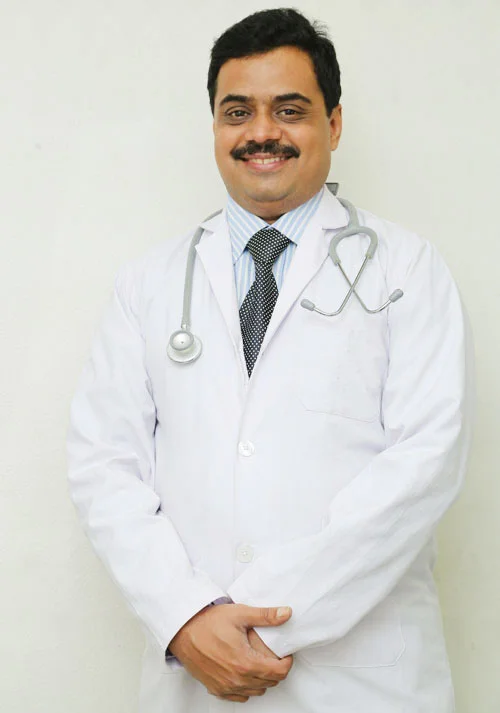
About Dr. Ashutosh Shah
Dr. Ashutosh Shah, M.S., M.Ch. (Plastic Surgery), has over 22 years of experience in body contouring after weight loss. He leads Elegance Clinic, Surat, with centres at Adajan and Vesu, and is known for honest counseling and natural looking results.