

Skin tightening after weight loss addresses loose or sagging skin through a planned treatment, recovery period, and follow-up care. Patients from Vapi usually begin with a consultation, complete recommended assessments, and then schedule suitable treatment in Surat.
Losing significant weight can improve health, mobility, and confidence. However, the skin does not always shrink enough to match the body's smaller shape. This may leave loose folds around the abdomen, arms, thighs, chest, or other areas.
The most appropriate treatment depends on the amount of loose skin, skin elasticity, medical history, and individual goals.
Some patients may benefit from non-surgical skin tightening, while others require surgical removal of excess skin.
At Elegance Clinic, Dr. Ashutosh Shah, a plastic and reconstructive surgeon, can evaluate these concerns and explain suitable options, expected recovery, limitations, and potential risks.
1. What Is Skin Tightening After Weight Loss and Who Is It For?
Skin tightening after weight loss refers to treatments intended to improve the appearance of loose skin following substantial weight reduction.
When body weight increases, the skin stretches to accommodate changes in underlying tissue. After weight loss, the skin may not fully retract because its elasticity has changed.
The extent of sagging depends on several factors, including age, genetics, the amount and duration of weight gain, smoking history, and overall skin quality.
Who may benefit?
Treatment may be considered by individuals who:
-
Have loose skin after significant or bariatric weight loss.
-
Experience skin folds around the abdomen, arms, or thighs.
-
Have maintained a reasonably stable weight.
-
Experience discomfort or hygiene difficulties from excess skin.
-
Have realistic expectations about treatment outcomes.
-
Are medically suitable for the proposed procedure.
Not everyone needs surgical treatment. Mild skin laxity may be managed differently from substantial hanging skin.
Non-surgical versus surgical options
Non-surgical approaches, including radiofrequency and focused ultrasound technologies, aim to improve skin firmness in selected patients.
However, these treatments cannot reliably remove large amounts of hanging skin.
Surgical body contouring removes excess skin and may reshape the treated area. It involves incisions, scars, anaesthesia, and a longer recovery period.
For an overview of the underlying concern, read weight loss ke baad loose skin.
The final recommendation requires a clinical examination rather than relying on photographs or online descriptions alone.
2. How the Procedure Is Done, Step by Step
The skin tightening after weight loss procedure steps depend on whether the selected treatment is non-surgical or surgical.
There is no single technique suitable for every patient.
Step 1: Initial consultation
Dr. Ashutosh Shah assesses the location and severity of loose skin, weight history, general health, and treatment goals.
Patients should disclose previous operations, medications, allergies, smoking habits, and any known nutritional deficiencies.
Step 2: Choosing the treatment
For mild skin laxity, a non-surgical treatment may be discussed.
For substantial excess skin, procedures such as an arm lift, thigh lift, tummy tuck, or body lift may be more appropriate.
Patients should understand that skin tightening devices and skin-removal surgery produce different degrees of correction.
Learn more about these distinctions in can rf and hifu improve loose skin after weight loss.
Step 3: Pre-treatment evaluation
The surgeon may recommend blood investigations, nutritional assessment, or additional medical clearance according to the planned treatment.
Patients who have undergone bariatric surgery may need particular attention to protein intake and nutritional deficiencies.
Step 4: Performing the treatment
For non-surgical treatment, an appropriate device delivers energy to selected tissue layers according to the treatment protocol.
For surgery, the surgeon marks the planned area, removes excess skin, reshapes the tissue, and closes the incisions.
Anaesthesia requirements vary significantly between these approaches.
Step 5: Immediate aftercare
Non-surgical treatment may involve temporary redness, tenderness, or swelling.
Surgical treatment may require dressings, supportive garments, pain management, and postoperative monitoring.
Patients receive individual instructions before returning home or leaving the hospital.
3. Recovery: What the First Weeks Look Like
Recovery after skin tightening depends on the treatment method, area involved, and individual healing response.
Non-surgical treatments generally involve less downtime than surgical skin removal, although they may require multiple sessions.
Surgical procedures involve more substantial healing because tissue is removed and incisions must recover.
The first few days
After non-surgical treatment, patients may notice temporary redness, swelling, or sensitivity.
After surgery, swelling, bruising, discomfort, and restricted movement may occur.
Patients should follow prescribed wound-care instructions and avoid activities that place excessive tension on surgical incisions.
The first week
The treatment team may review healing, dressings, and symptoms.
Gentle movement may be encouraged when medically appropriate, particularly after surgery, but strenuous activity should wait until the surgeon provides clearance.
The following weeks
Swelling gradually improves, although the pace varies.
Patients undergoing surgery may need additional time before returning to physically demanding work or exercise.
Scars also continue changing after the initial wound-healing period.
Quick facts: treatment and recovery
| Quick Fact | Details |
|---|---|
| Procedure duration | [Surgeon to confirm based on technique] |
| Anaesthesia | [Surgeon to confirm] |
| Hospital stay | [Clinic to confirm; depends on treatment] |
| Return to work | [Surgeon to confirm] |
| Follow-up visits | [Clinic to confirm] |
When are results visible?
Non-surgical improvements, when achieved, may develop gradually and vary in magnitude.
Surgical removal of excess skin produces a more immediate change in contour, but swelling can temporarily obscure the final appearance.
Patients should also understand that future weight changes and ageing can affect results.
For further explanation, see loose skin after weight loss why exercise will not.
4. Which Factors Change the Cost?
The cost of skin tightening after weight loss depends primarily on the selected technique and the extent of treatment.
A non-surgical treatment plan involving several sessions has a different cost structure from an operation requiring anaesthesia and hospital facilities.
Treatment method
Radiofrequency, ultrasound-based procedures, and surgical body contouring involve different equipment, professional services, and recovery requirements.
Number and size of treatment areas
Treating one small area may require fewer resources than addressing loose skin across several body regions.
Some surgical procedures may need to be performed in stages for safety.
Degree of correction required
Mild skin laxity and extensive hanging skin require different treatment plans.
A surgeon should explain whether the expected improvement justifies the proposed intervention.
Hospital and anaesthesia requirements
Surgical expenses may include operating theatre charges, anaesthesia, nursing services, hospital accommodation, and postoperative monitoring.
Follow-up and additional expenses
Investigations, medicines, garments, dressings, and follow-up appointments may also affect the total.
Patients should request an itemised quotation and confirm whether additional treatment sessions or postoperative care are charged separately.
5. How Patients from Vapi Plan Skin Tightening after Weight Loss in Vapi
Patients researching skin tightening after weight loss in vapi can plan an initial assessment and subsequent treatment with Dr. Ashutosh Shah in Surat.
The process should account for travel, medical investigations, recovery arrangements, and follow-up requirements.
Arrange an initial consultation
Contact Elegance Clinic to enquire about appointment availability.
Ask whether an initial online discussion is possible and what medical records or photographs may be useful.
However, final treatment planning generally requires an in-person examination.
Prepare your medical history
Bring information about previous weight-loss treatments, bariatric procedures, medications, allergies, and relevant investigations.
Tell the surgeon whether your weight is still changing.
Plan your visit
Patients should clarify whether consultation, investigations, and treatment can occur during the same visit or require separate appointments.
For surgery, arranging a responsible accompanying adult and suitable postoperative accommodation may be necessary.
Arrange follow-up care
Ask how many in-person reviews are expected and whether any subsequent checks can be conducted remotely.
Do not schedule return travel solely around the procedure date without medical advice.
For consultation details, visit the contact page.
6. Questions to Ask Before You Decide
Choosing a treatment requires understanding both its potential benefits and limitations.
Before proceeding, ask Dr. Ashutosh Shah:
-
Is my loose skin mild, moderate, or extensive?
-
Would non-surgical treatment provide meaningful improvement?
-
Is surgical removal more appropriate?
-
Should my weight remain stable for longer?
-
What investigations are needed?
-
Will the procedure leave visible scars?
-
What are the possible complications?
-
How much time should I allow for recovery?
-
How many treatment sessions or follow-up visits are expected?
-
What is included in the written estimate?
Understanding possible risks
Non-surgical energy-based treatments can cause discomfort, swelling, burns, pigment changes, or other complications, depending on the technology used.
Surgical procedures may involve infection, bleeding, wound-healing problems, fluid collections, scarring, altered sensation, or blood clots.
Patients should discuss their individual risk factors and the steps taken to reduce complications.
Treatment should proceed only after informed consent and appropriate medical assessment.
Conclusion
Skin tightening after weight loss may help address loose skin that remains after significant weight reduction, but treatment options vary considerably.
Non-surgical procedures may offer limited improvement in selected cases, while extensive excess skin may require surgical removal.
Patients travelling from Vapi can consult Dr. Ashutosh Shah at Elegance Clinic to discuss treatment suitability, recovery, cost factors, and follow-up planning.
Frequently Asked Questions
How long does skin tightening after weight loss take on the day?
Treatment duration depends on the method, number of areas, and extent of correction. Non-surgical sessions and surgical procedures have very different time requirements. Anaesthesia preparation and postoperative monitoring may also add time.
How many follow-up visits are needed?
The number of follow-up visits depends on the treatment technique, healing progress, and any complications. Non-surgical procedures may require review appointments or additional sessions, while surgery requires wound and recovery assessments.
Can the first consultation be online?
Patients exploring skin tightening after weight loss in vapi can ask whether an initial online consultation is available. This may help discuss concerns, medical history, and possible treatment options. However, an in-person examination is usually necessary to assess skin laxity and confirm the most suitable approach.
When can I travel after treatment?
Travel timing depends on whether treatment is non-surgical or surgical, the anaesthesia used, mobility, and recovery progress. Longer journeys after surgery may require additional precautions. Patients should obtain individual clearance before travelling.
When will the final result show?
The final appearance depends on the selected treatment. Non-surgical improvements may develop gradually and can be modest, while surgical results become easier to assess as swelling settles and tissues heal. Skin quality and weight stability also influence outcomes.
Reclaim the body you earned
Book a private consultation with Dr. Ashutosh Shah at Elegance Clinic, Surat, for an honest plan made for you.
Book a Consultation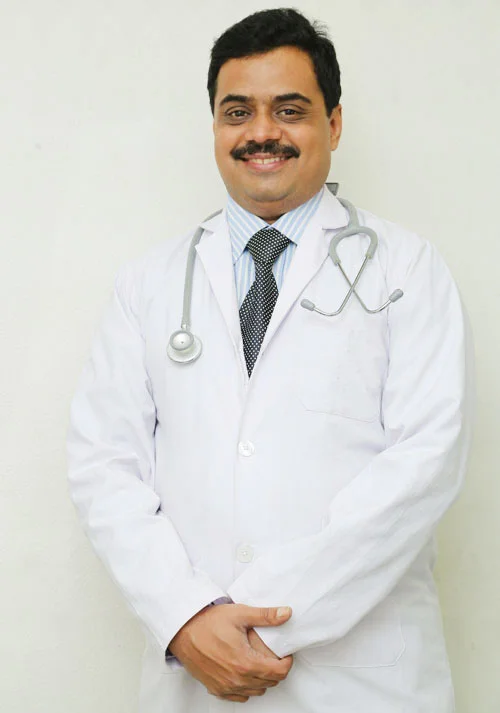
About Dr. Ashutosh Shah
Dr. Ashutosh Shah, M.S., M.Ch. (Plastic Surgery), has over 22 years of experience in body contouring after weight loss. He leads Elegance Clinic, Surat, with centres at Adajan and Vesu, and is known for honest counseling and natural looking results.