

Thigh lift risks include common temporary effects such as swelling, bruising, discomfort and tightness, as well as potentially serious complications such as infection, blood clots and wound-healing problems. Careful patient selection, appropriate medical assessment and postoperative care can reduce certain risks. However, no surgical procedure is completely risk-free.
A thigh lift, also called thighplasty, removes excess skin and reshapes the thighs. Patients may consider this procedure after significant weight loss or when loose skin causes discomfort.
Although surgery can improve thigh contour, understanding possible complications is essential before making a decision.
At Elegance Clinic, Dr. Ashutosh Shah can evaluate medical history, skin condition and individual surgical concerns during consultation.
This guide explains which side effects are expected, which complications require attention and how patients can prepare for safer recovery.
Which Side Effects Are Common and Temporary?
Some symptoms occur as part of the normal healing process after thigh lift surgery. Their severity and duration depend on the procedure, individual health and postoperative care.
1. Swelling
Swelling is common because surgery temporarily affects tissues and local fluid circulation.
It may be more noticeable during the early recovery period. However, swelling should generally improve as healing progresses.
Patients should follow instructions regarding compression garments, walking and activity restrictions.
2. Bruising
Bruising develops when small blood vessels are affected during surgery.
The appearance can vary from mild discolouration to more extensive bruising around the treated area.
Usually, bruising gradually fades. Nevertheless, rapidly expanding bruising or significant swelling requires medical assessment.
3. Discomfort and Tightness
Patients may experience soreness, pulling sensations or tightness near the incisions.
These symptoms often become more manageable as tissues heal.
Prescribed pain medication and appropriate movement can support recovery.
However, severe or worsening pain should not be ignored.
4. Temporary Changes in Sensation
Numbness, tingling or altered skin sensation may occur because small sensory nerves can be affected during surgery.
Sensation may improve gradually, although some changes can persist.
Patients should discuss this possibility before treatment.
5. Visible Scarring
Scarring is an expected consequence of thigh lift surgery rather than an unusual complication.
The incision location depends on the technique.
For example, a medial thigh lift may involve an incision near the groin, sometimes extending along the inner thigh.
Scars generally change over time, but they do not disappear completely.
Which Complications Are Rare but Important?
Some thigh lift risks are more serious than routine postoperative symptoms.
The likelihood of complications varies with patient health, surgical extent and other factors. Specific rates should not be assumed without reliable procedure-specific evidence.
Infection
A surgical wound can become infected during recovery.
Warning signs may include increasing redness, warmth, pain, discharge or fever.
Early medical assessment is important because infections sometimes require antibiotics or additional treatment.
Delayed Wound Healing
Wounds may heal more slowly in patients with diabetes, nutritional deficiencies, smoking exposure or excessive tension around incisions.
In some cases, part of an incision may separate.
Therefore, following wound-care instructions and avoiding unnecessary strain are important.
Seroma or Haematoma
A seroma is a collection of fluid beneath the skin, while a haematoma is a collection of blood.
Either may cause swelling or discomfort and sometimes requires drainage or further treatment.
Blood Clots
Deep vein thrombosis is a potentially serious complication associated with surgery and reduced mobility.
A clot can sometimes travel to the lungs and cause a pulmonary embolism.
Sudden breathlessness, chest pain or collapse requires emergency medical attention.
Unfavourable Scarring or Asymmetry
Some patients develop widened, raised or uneven scars.
Differences in healing or tissue shape may also cause contour irregularities.
Although surgeons plan incisions carefully, perfect symmetry cannot be guaranteed.
Thigh Lift Risk and Side Effect Table
| Side Effect or Complication | How Common | How Long | What to Do |
|---|---|---|---|
| Swelling | Common | [Doctor to confirm typical duration] | Follow compression and movement advice |
| Bruising | Common | [Doctor to confirm] | Monitor for unusual changes |
| Discomfort or tightness | Common | [Doctor to confirm] | Take prescribed medication |
| Temporary numbness | Possible | Variable; may persist | Discuss changes during follow-up |
| Visible scars | Expected | Permanent, although appearance changes | Follow scar-care advice |
| Infection | Less common; exact rate unconfirmed | Depends on severity | Contact the surgical team promptly |
| Delayed wound healing | Possible | Variable | Arrange wound assessment |
| Seroma or haematoma | Possible | Variable | Seek medical review |
| Blood clot | Serious potential complication | Variable | Obtain urgent medical assessment |
Important: This table describes general surgical possibilities, not clinic-specific complication statistics. [Dr. Ashutosh Shah to review and approve.]
How Are Risks Reduced Before and During Treatment?
Reducing thigh lift risks begins before the operation.
Medical Assessment
The surgeon reviews existing illnesses, medications, previous operations and relevant risk factors.
Depending on medical history, investigations may include blood tests, glucose assessment and anaesthesia evaluation.
Patients should disclose supplements and medications that may affect bleeding or recovery.
Managing Existing Conditions
Diabetes, high blood pressure and other medical conditions should be appropriately controlled before elective surgery.
Patients with significant nutritional deficiencies may need treatment before proceeding.
Smoking and Nicotine Cessation
Smoking can reduce blood supply to healing tissues and increase wound complications.
Therefore, patients should follow the surgical team's instructions about stopping smoking and nicotine use before and after surgery.
Choosing an Appropriate Procedure
The surgeon selects the technique according to the location and extent of excess skin.
For example, vertical thighplasty may be considered when more extensive inner-thigh skin removal is needed.
However, the most suitable technique depends on individual examination findings.
Following Postoperative Instructions
Appropriate walking, wound care, prescribed medication and follow-up visits can support recovery.
Patients should avoid strenuous activity until cleared by their surgeon.
For additional guidance, read thigh lift surgery recovery.
How Do You Check a Doctor's Qualifications?
Choosing a suitably qualified surgeon is an important part of treatment planning.
Patients should verify the surgeon's medical registration, recognised surgical qualifications and relevant experience.
In addition, ask whether the procedure will take place in a properly equipped facility with appropriate anaesthesia and emergency support.
Questions Worth Asking
Before agreeing to surgery, discuss the following:
-
What qualifications and experience does the surgeon have?
-
Which thigh lift technique is recommended?
-
Where will the incisions and scars be located?
-
What complications are relevant to my health?
-
What facilities are available if an emergency occurs?
-
Who provides postoperative care?
-
How are complications managed if they develop?
At Elegance Clinic, patients can discuss these matters with Dr. Ashutosh Shah during an individual consultation.
Clinic-specific facility and emergency arrangements: [Clinic to confirm.]
Planning a Thigh Lift in Bharuch: Safety Considerations
Patients researching thigh lift in bharuch should consider postoperative access to medical care when planning treatment.
Before surgery, confirm the expected recovery arrangements, follow-up schedule and availability of assistance at home.
Additionally, ask when travel is medically appropriate, particularly after a procedure that may temporarily restrict movement.
Long journeys can involve prolonged sitting, which may increase blood-clot concerns in some patients.
Therefore, patients should obtain individual travel advice rather than relying on a fixed recovery timeline.
Recommended travel clearance and follow-up schedule: [Dr. Ashutosh Shah to confirm.]
Which Signs After Treatment Need Urgent Attention?
Recognising warning signs is an important part of managing thigh lift risks.
Some symptoms require prompt contact with the treating surgeon, while others may indicate an emergency.
Contact the Surgical Team Promptly For:
-
Increasing redness or warmth around an incision.
-
Fever or unusual wound discharge.
-
Worsening pain rather than gradual improvement.
-
A wound that begins to open.
-
Unexpected swelling or fluid accumulation.
Seek Emergency Medical Care For:
-
Sudden chest pain or difficulty breathing.
-
Fainting or collapse.
-
Significant uncontrolled bleeding.
-
Sudden painful swelling in one leg, particularly with warmth or redness.
Do not wait for a scheduled follow-up if serious symptoms appear.
When uncertain about a postoperative change, contact the treating medical team for guidance.
Conclusion
Understanding thigh lift side effects and complications helps patients make informed decisions about surgery.
Although temporary swelling, bruising and discomfort are expected, infections, blood clots and wound-healing problems require careful attention.
Appropriate medical assessment, qualified surgical care and postoperative follow-up can reduce certain risks, but cannot eliminate them.
At Elegance Clinic, Dr. Ashutosh Shah can discuss individual concerns, expected recovery and possible complications.
For an assessment, contact Elegance Clinic to discuss your treatment options.
Frequently Asked Questions
What Are the Common Side Effects?
Common thigh lift side effects include swelling, bruising, soreness, tightness and temporary changes in skin sensation. These symptoms often improve during recovery, although individual healing varies. Scars are also expected after surgery. Patients should follow wound-care instructions and report symptoms that worsen unexpectedly rather than gradually improving.
How Rare Are Serious Complications?
Serious complications such as blood clots, major infections and significant wound-healing problems can occur, but their frequency varies between patient groups and procedures. Reliable individual risk estimates require medical assessment.
Which Tests Are Done Before Treatment?
Preoperative tests depend on age, medical history, existing conditions and planned anaesthesia. They may include blood counts, glucose testing and other investigations when indicated. The surgeon also examines skin quality and surgical suitability. Additional assessments may be necessary for patients with diabetes, cardiovascular disease or nutritional deficiencies.
Who Should Not Have This Procedure?
Patients with uncontrolled medical conditions, active infections, significant nutritional deficiencies or ongoing nicotine exposure may need to postpone elective surgery. People considering thigh lift in bharuch should undergo a personalised assessment. The surgeon evaluates health, weight stability and expectations before deciding whether the benefits justify the potential risks.
What Should I Do if Swelling Increases Suddenly?
Sudden or rapidly increasing swelling should not be assumed to be normal. Contact your surgical team immediately for assessment, especially if swelling is painful, one-sided or associated with redness. If you also experience chest pain, breathing difficulty or fainting, seek emergency medical care without waiting for a callback.
Reclaim the body you earned
Book a private consultation with Dr. Ashutosh Shah at Elegance Clinic, Surat, for an honest plan made for you.
Book a Consultation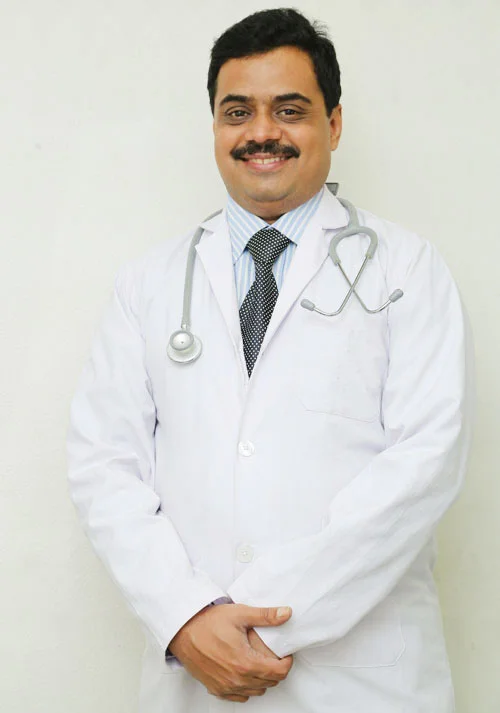
About Dr. Ashutosh Shah
Dr. Ashutosh Shah, M.S., M.Ch. (Plastic Surgery), has over 22 years of experience in body contouring after weight loss. He leads Elegance Clinic, Surat, with centres at Adajan and Vesu, and is known for honest counseling and natural looking results.