

Liposuction removes fat from the layer under the skin in chosen areas, through small cuts and a thin tube called a cannula, to change body shape. It does not reduce weight much, tighten loose skin, remove fat around the organs, treat cellulite or improve diabetes. It suits people near a stable weight with firm skin.
What does liposuction do, exactly? It is a body contouring operation: it reshapes an area by taking out fat that has not shifted with diet and exercise. Most of the disappointment around liposuction surgery comes from expecting it to do something else, usually weight loss or skin tightening. This page explains what fat removal surgery physically does, where it works, where it does not, and what recovery involves.
What does liposuction do to the body?
It removes fat cells permanently from one layer of the body: the fat between the skin and the muscle. That is the fat you can pinch. The American Society of Plastic Surgeons (ASPS) describes it as removing excess fat from specific areas to improve body contour.
- Fluid first. The area is filled with a solution containing a local anaesthetic and a medicine that narrows blood vessels, which reduces bleeding and bruising.
- Small entry cuts. A few cuts of a few millimetres are made, usually in creases.
- Fat removal. A thin tube called a cannula is moved through the fat layer, loosening fat that is drawn out by suction.
- Shaping. The surgeon removes fat evenly and blends the edges so the treated area merges with the surrounding body.
Fat around the organs, inside the abdominal wall, cannot be reached by a cannula. That is the fat most linked to diabetes and heart disease, which is why liposuction changes shape, not health.
Which areas can liposuction treat?
Almost any area with a pinchable pocket of fat. ASPS lists these among the common ones:
- Abdomen and waist
- Flanks, the "love handles", and back
- Hips and buttocks
- Inner and outer thighs, and the inner knee
- Upper arms
- Chest, chin and neck
- Calves and ankles
The flanks are among the most requested areas. Our page on love handle correction explains when liposuction alone is enough there and when skin removal is added.
What can liposuction not do?
It cannot make you much lighter, tighten loose skin, remove fat around the organs or treat cellulite. The table sets out the common goals and what helps with each.
| Goal | Does liposuction do it? | What helps instead |
|---|---|---|
| Remove a stubborn pocket of fat | Yes. This is what it is for. | Not applicable |
| Lose a lot of weight | No. The scale changes little. | Diet, activity and medical weight management |
| Tighten loose, hanging skin | No. Loose skin may look looser. | Skin removal surgery, such as a tummy tuck or lift |
| Remove belly fat around the organs | No. A cannula cannot reach it. | Weight loss |
| Smooth cellulite | No. It can make dimpling more visible. | Discuss separately; results of all treatments vary |
| Improve sugar, blood pressure or cholesterol | No. Shown in a controlled study. | Weight loss and medical treatment |
| Stop future weight gain | No. Remaining fat cells can still grow. | A stable weight |
Is liposuction a weight loss surgery?
No. ASPS states that liposuction is not a treatment for obesity or a substitute for diet and exercise. A study published in the New England Journal of Medicine in 2004 found that removing about a fifth of body fat by abdominal liposuction did not improve insulin sensitivity, blood pressure or cholesterol.
For loose skin, a standard tummy tuck removes the skin and tightens the muscle, and liposuction is often added to shape the sides. For mild laxity without overhang, non-surgical skin tightening may be discussed, though it does not remove fat in the same way.
Who is liposuction surgery suitable for?
People close to their usual weight, with firm skin and a defined pocket of fat. ASPS notes that liposuction is suited to people of relatively normal weight with some extra fat, and that firm, elastic skin gives better results.
- Stable weight for some months, with no large loss or gain planned.
- Elastic skin that springs back when pinched.
- A localised area of fat, not fat spread evenly all over.
- Good general health, with diabetes or blood pressure under control.
- No smoking, or willingness to stop before and after surgery.
- Realistic expectations: a better shape, not a lower weight.
At this clinic, Dr. Ashutosh Shah examines skin quality, fat thickness and muscle tone before recommending fat removal surgery, and advises skin removal instead when the skin will not shrink back.
What happens during and after fat removal surgery?
The operation usually takes one to a few hours, depending on the number of areas. Afterwards a compression garment is worn to control swelling. ASPS gives this general recovery pattern:
- Week 1: pain, swelling and bruising; activity limited.
- Weeks 2 to 3: most people feel much better; return to work depends on the job.
- Weeks 4 to 5: bruising gone, swelling starting to settle.
- Week 6 onwards: activity increased gradually, including gentle exercise.
The final shape takes several months to show, because swelling settles slowly. Dr. Ashutosh Shah reviews each patient after surgery, checking the entry wounds, garment fit, swelling and the evenness of the contour. Our recovery education pages cover the wider recovery plan.
What are the risks of liposuction?
The ASPS safety page lists risks including bruising, swelling, fluid collection, infection, numbness that may persist, uneven contours, rippling or loose skin, blood clots, injury to deeper structures and the need for revision. ASPS also notes that removing large volumes, usually more than five litres, needs special precautions.
Next step
If you are thinking about liposuction, the useful next step is an examination, because skin elasticity, fat thickness and weight stability decide whether it will give the shape you want. Bring your weight history from the past year to the consultation.
This page is for education and is not a substitute for examination. Recovery times are general figures from ASPS and vary with the areas treated and the person. Please consult Dr. Ashutosh A Shah about your own treatment.
Frequently Asked Questions
Is liposuction permanent?
The fat cells removed do not grow back, so the treated area keeps its new shape. But the rest of the body's fat cells remain. In a 2011 randomised trial, fat removed by liposuction returned within a year, mainly to the upper abdomen and arms. A stable weight protects the result.
How much weight will I lose with liposuction?
Usually very little. Fat is bulky but light, and the amount removed is limited for safety, so the change shows in clothes and the mirror more than on the scale. In the first weeks, fluid and swelling can even push the reading up slightly.
Is liposuction painful?
The operation is done under anaesthesia, so it is not felt. Afterwards most people have soreness and bruising, rather like a deep muscle ache, for the first one to two weeks. Pain relief tablets and the compression garment keep this manageable for most patients.
Will liposuction leave scars?
The entry cuts are small, a few millimetres each, and are placed in natural creases or covered areas where possible. They fade over the following months. Most patients find them hard to see once healed, though scar healing varies from one person to another.
Can liposuction remove loose skin?
No. Liposuction removes fat, and skin with good elasticity shrinks back over the new shape. Skin stretched by major weight loss or pregnancy does not, and may look looser once the fat beneath is gone. That skin needs to be removed surgically instead.
When can I go back to work after liposuction?
It depends on the areas treated and your job. The American Society of Plastic Surgeons notes that many people feel much better by weeks two to three, when desk work can often resume. Gentle exercise usually starts from about six weeks.
Reclaim the body you earned
Book a private consultation with Dr. Ashutosh Shah at Elegance Clinic, Surat, for an honest plan made for you.
Book a Consultation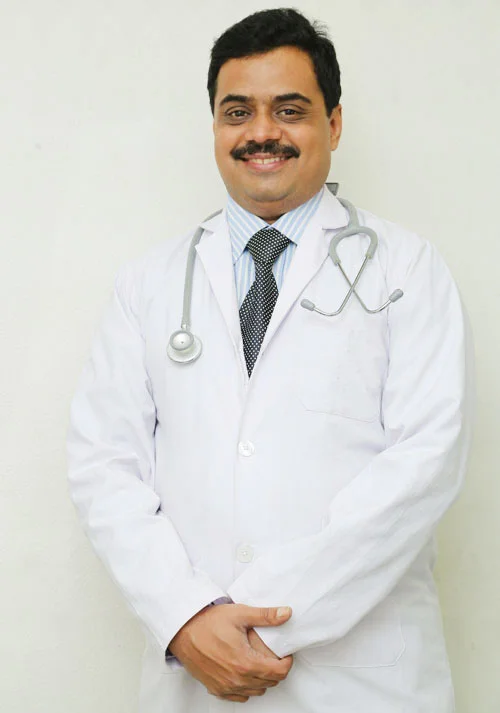
About Dr. Ashutosh Shah
Dr. Ashutosh Shah, M.S., M.Ch. (Plastic Surgery), has over 22 years of experience in body contouring after weight loss. He leads Elegance Clinic, Surat, with centres at Adajan and Vesu, and is known for honest counseling and natural looking results.