
After high definition liposuction, patients should understand what to avoid after high definition liposuction to support proper healing. Avoid strenuous exercise, smoking, alcohol, unnecessary pressure on treated areas and direct sun exposure until your surgeon clears you. Follow compression garment instructions, keep incision sites clean and attend scheduled follow-ups.
High definition liposuction is a body-contouring procedure designed to remove selected fat deposits and create more defined body contours. Although the procedure can improve body shape, recovery requires patience and appropriate aftercare.
Swelling, bruising, tenderness and temporary changes in sensation may occur during recovery. Following your surgeon's instructions is important because returning to normal activities too early may increase discomfort or interfere with healing.
1. What to Avoid in the First Week
The first week is an important period for early recovery. Your body needs adequate rest, appropriate wound care and protection from unnecessary physical strain.
Understanding what to avoid after high definition liposuction is particularly important during this period.
Avoid the following activities unless your surgeon gives different instructions:
-
Heavy lifting: Avoid lifting heavy objects, furniture or weights.
-
Strenuous exercise: Do not start running, intense cycling, gym workouts or high-impact activities.
-
Excessive bending: Repeated bending, stretching and sudden movements may cause discomfort.
-
Pressure on treated areas: Avoid tight clothing or activities that create unnecessary pressure.
-
Unapproved massage: Do not massage treated areas without medical clearance.
-
Ignoring medication instructions: Take prescribed medicines according to your surgeon's directions.
Complete bed rest is not always necessary. Gentle walking, when permitted, can support circulation and help reduce the risk of blood clots.
Why should you avoid strenuous activity?
Exercise places additional physical demands on healing tissues. Returning to intense workouts too early may worsen swelling, bruising and discomfort.
Start with gentle movement as recommended by your surgeon. Gradually increase physical activity only after receiving medical clearance.
2. When Can You Shower, Travel and Drive?
Daily activities should be resumed gradually. The appropriate timing depends on the extent of treatment, incision healing, discomfort and individual recovery.
Bathing and showering
Do not assume that you can shower immediately after surgery. Ask your surgeon when dressings can be removed and whether the incision sites can get wet.
Avoid:
-
Soaking in a bathtub.
-
Swimming pools and hot tubs.
-
Scrubbing healing incision sites.
-
Applying perfumed products directly over healing areas.
A shower may be permitted once your surgeon confirms that it is safe.
Travelling
Avoid unnecessary long-distance journeys during the early recovery period. Long periods of sitting can increase discomfort and may contribute to blood clot risk.
If travel is necessary, discuss the following with your surgeon:
-
Appropriate travel date.
-
Walking and movement breaks.
-
Compression garment instructions.
-
Medication requirements.
-
Follow-up appointment arrangements.
Patients planning high definition liposuction in valsad should discuss travel arrangements and follow-up appointments with the clinic before treatment.
Driving
Do not drive while taking sedating pain medication or when pain, swelling or restricted movement affects your ability to control the vehicle safely.
Resume driving only when you can move comfortably, react safely and your surgeon has cleared you.
3. Food, Smoking and Alcohol Rules
Nutrition and lifestyle habits can influence the recovery process. A balanced diet, sufficient fluids and avoiding harmful habits support general healing.
For patients who want to understand the technique used during fat removal, read our detailed guide to tumescent liposuction, including how the procedure works and why the technique is used.
Avoid smoking and nicotine
Smoking and nicotine products can reduce blood flow and interfere with wound healing. They may also increase the risk of complications.
Avoid:
-
Cigarettes.
-
Nicotine-containing vaping products.
-
Tobacco products.
-
Passive smoke exposure where possible.
Ask your surgeon how long you should avoid nicotine before and after treatment.
Avoid alcohol
Alcohol should be avoided during the early recovery period, particularly while taking painkillers, antibiotics or other medicines that may interact with it.
Do not restart alcohol consumption without checking with your doctor.
Avoid unhealthy eating habits
There is no single diet that guarantees faster recovery. However, nutritious food helps your body meet its healing requirements.
Limit:
-
Excessively processed foods.
-
High-salt foods if they worsen fluid retention.
-
Skipping meals.
-
Crash dieting or extreme calorie restriction.
Choose balanced meals containing protein, vegetables, fruits and adequate fluids according to your dietary needs.
4. Clothing, Garments and Sleep Position
Following high definition liposuction, your surgeon may recommend a compression garment to support treated areas and help manage swelling.
Do not skip your compression garment
Wear the prescribed garment for the recommended duration. Avoid removing it unnecessarily or changing its fit without medical advice.
Important precautions include:
-
Follow the prescribed wearing schedule.
-
Keep the garment clean and dry.
-
Avoid garments that create excessive pressure.
-
Report skin irritation, unusual pain or numbness.
-
Do not independently change garment size.
Avoid unsuitable clothing
Very tight clothing, rough fabrics and garments that rub against healing incisions may cause irritation.
Choose comfortable clothing that is easy to put on and remove.
Avoid uncomfortable sleeping positions
Your surgeon may recommend a particular sleeping position depending on the areas treated.
Avoid sleeping directly on painful or swollen areas if this creates pressure. Use pillows for support when advised.
There is no universal sleeping position for every patient. Follow your individual recovery instructions.
5. Planning Recovery After High Definition Liposuction in Valsad
Patients travelling for treatment should arrange their recovery and follow-up visits before the procedure.
If multiple body areas are being considered, read our guide to full body liposuction to understand treatment planning, safety considerations and when procedures may need to be divided into stages.
Consider these practical steps:
-
Complete the initial consultation and medical assessment.
-
Discuss the procedure, anaesthesia and expected recovery.
-
Arrange suitable accommodation and assistance if required.
-
Confirm when you can safely travel after treatment.
-
Keep the clinic's contact details available.
-
Schedule follow-up appointments before returning home.
Avoid planning immediate long-distance travel without your surgeon's approval. Your recovery progress and the extent of treatment should determine when travelling is appropriate.
6. Which Signs Need a Call to the Clinic?
Some swelling, bruising, tenderness and temporary changes in sensation can occur after liposuction. However, certain symptoms require medical attention.
Contact your surgeon if you notice:
-
Increasing redness around an incision.
-
Worsening pain instead of gradual improvement.
-
Unusual fluid discharge or pus.
-
Fever or chills.
-
Increasing swelling on one side.
-
Persistent skin irritation beneath the compression garment.
-
Wounds that appear to be opening.
Seek emergency medical attention if you experience chest pain, sudden shortness of breath, fainting or sudden severe symptoms.
Do not wait for a routine follow-up if you develop concerning symptoms.
Understanding scars and skin healing
Small incisions are generally used during liposuction. Their appearance changes as healing progresses.
Read our detailed guide to liposuction scars to understand scar care and the healing process.
Do and Don't Table: High Definition Liposuction Recovery
| Recovery period | Do | Don't |
|---|---|---|
| First 1–3 days | Rest, follow medication instructions and walk gently if permitted | Lift heavy objects or perform strenuous exercise |
| Days 4–7 | Follow wound-care instructions and wear the prescribed garment | Remove dressings or garment without permission |
| Week 2 | Gradually resume permitted daily activities | Rush back into gym workouts |
| Weeks 3–4 | Attend follow-ups and increase movement as advised | Start intense exercise without clearance |
| Weeks 5–6 | Follow the surgeon's plan for returning to normal activity | Assume all swelling has disappeared |
| Beyond 6 weeks | Continue healthy habits and follow-up care | Ignore persistent swelling or unusual symptoms |
Final Thoughts
Recovery after high definition liposuction requires patience, appropriate wound care and consistent follow-up. Avoiding strenuous exercise, smoking, alcohol, unnecessary pressure and premature travel can help reduce avoidable recovery problems.
The most important part of aftercare is following a personalised recovery plan rather than relying on a fixed timeline.
At Elegance Clinic, patients can discuss recovery concerns, compression garment instructions and follow-up requirements with the treating team. To arrange an appointment or discuss your treatment plan, contact the clinic.
Frequently Asked Questions
When can I take a bath?
The timing depends on incision healing, dressings and your surgeon's instructions. A shower may be permitted earlier than soaking in a bathtub. Avoid swimming pools, hot tubs and prolonged soaking until your incisions have healed and your surgeon confirms that these activities are safe.
Can I travel by bus or train?
Patients considering high definition liposuction in valsad should confirm travel timing with their surgeon. Long journeys should be planned carefully because prolonged sitting can increase discomfort and blood clot risk. Discuss movement breaks, compression instructions, medication and follow-up arrangements before travelling.
When can I drink alcohol again?
Avoid alcohol during early recovery and while taking medicines that may interact with it. Alcohol can affect judgement and may interfere with safe medication use. Ask your surgeon when it is appropriate to restart drinking based on your medicines, healing progress and individual health.
Can I sleep on my side?
Your sleeping position depends on which areas were treated and whether lying on your side creates pressure or discomfort. Follow your surgeon's positioning instructions and use pillows for support if recommended. Avoid putting direct pressure on healing areas until you receive clearance.
When can I go out in the sun?
Avoid direct sun exposure on healing incisions because it may irritate the skin and affect scar appearance. Protect the treated areas with suitable clothing and follow your surgeon's advice about sunscreen. Wait until the incisions have healed before applying products directly over them.
Reclaim the body you earned
Book a private consultation with Dr. Ashutosh Shah at Elegance Clinic, Surat, for an honest plan made for you.
Book a Consultation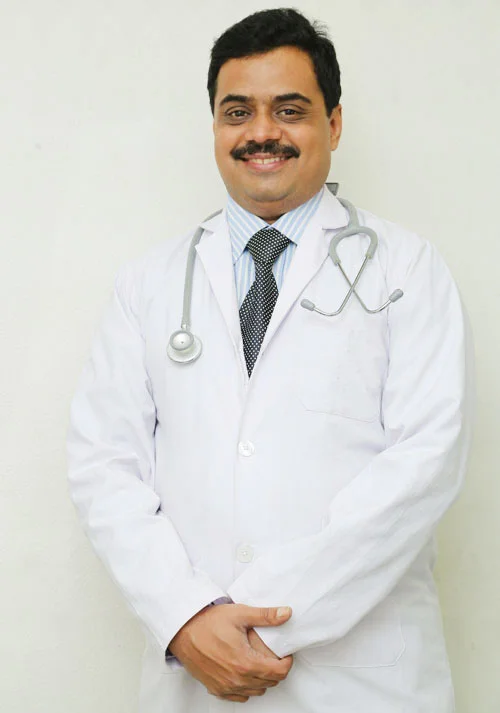
About Dr. Ashutosh Shah
Dr. Ashutosh Shah, M.S., M.Ch. (Plastic Surgery), has over 22 years of experience in body contouring after weight loss. He leads Elegance Clinic, Surat, with centres at Adajan and Vesu, and is known for honest counseling and natural looking results.