
Who can get arm lift (brachioplasty)? Adults with significant loose upper-arm skin, stable body weight, suitable general health and realistic expectations may be good candidates. However, uncontrolled diabetes, high blood pressure, smoking and recent major weight changes can affect eligibility. A consultation with a qualified plastic surgeon is necessary to determine whether surgery is appropriate.
Loose upper-arm skin can develop after substantial weight loss or as skin elasticity decreases with age. Although exercise strengthens the underlying muscles, it cannot always tighten significantly stretched skin.
Therefore, understanding who can get arm lift (brachioplasty) helps patients decide whether to consider surgery or explore alternative treatments.
At Elegnace Clinic, Dr. Ashutosh Shah can assess the amount of loose skin, medical history and treatment expectations before recommending a suitable approach.
This guide explains eligibility, medical considerations, preoperative testing and the questions worth asking before making a decision.
Who Usually Benefits Most?
An arm lift, also called brachioplasty, removes excess upper-arm skin and reshapes the underlying tissue.
It primarily addresses skin laxity rather than overall body weight.
People who may benefit include those with substantial loose skin that remains after weight loss or develops gradually with age.
1. People With Loose Upper-Arm Skin
Hanging skin between the armpit and elbow is a common reason for considering surgery.
Some people describe this appearance as bat-wing arms.
If the concern involves significant excess skin, exercise or nonsurgical treatments may not provide the desired improvement.
For more information, explore bat wing arms arm lift surgery.
2. People With Stable Body Weight
Weight stability is important because major weight changes after surgery may affect the result.
For example, further weight loss can create additional loose skin, while weight gain may alter the arm contour.
Therefore, surgeons usually prefer patients to reach a sustainable weight before planning body-contouring surgery.
3. People in Suitable General Health
Good candidates should be medically fit enough to undergo anaesthesia and heal after surgery.
This does not mean every existing medical condition automatically prevents treatment.
Instead, the surgeon assesses whether conditions such as diabetes or hypertension are adequately controlled.
4. People With Realistic Expectations
An arm lift can improve contour, but it cannot guarantee perfectly smooth arms or completely invisible scars.
The procedure also requires recovery time and temporary activity restrictions.
Understanding these limitations helps patients make informed decisions.
Patients researching who can get arm lift (brachioplasty) should also understand that eligibility depends on individual anatomy, medical fitness and recovery requirements.
For a detailed overview of the procedure, see brachioplasty.
Who Should Wait or Avoid It for Now?
Some patients may benefit from delaying surgery until their health or circumstances improve.
Uncontrolled Medical Conditions
Poorly controlled diabetes may increase the risk of infection and delayed wound healing.
Similarly, uncontrolled blood pressure or significant cardiovascular disease can increase surgical risks.
Therefore, these conditions should be assessed and managed before an elective procedure.
Active Smoking or Nicotine Use
Smoking reduces oxygen delivery to tissues and can interfere with wound healing.
Nicotine exposure from other products may also affect circulation.
Patients should disclose all nicotine use and follow the surgeon's recommended cessation plan.
Recent Major Weight Changes
People who are still losing substantial weight may not yet be suitable candidates.
Waiting until weight stabilises can help the surgeon plan a more predictable contour.
Nutritional Deficiencies
Patients who have undergone major weight loss, particularly after bariatric surgery, may have nutritional deficiencies.
Low protein intake, anaemia or other deficiencies can affect recovery.
These issues may require assessment and correction before surgery.
Unrealistic Expectations
Patients expecting scar-free surgery or guaranteed symmetry should reconsider their expectations.
Brachioplasty creates permanent incisions, and the final appearance depends on individual healing.
How Do Age, Weight and Health Conditions Matter?
Age alone does not determine whether someone can undergo an arm lift.
Understanding who can get arm lift (brachioplasty) requires a personalised medical assessment rather than relying only on age or appearance.
Instead, eligibility depends on the combination of physical health, skin condition, weight stability and surgical risk.
Does Age Affect Eligibility?
Adults of different ages may be considered for brachioplasty.
However, older patients may have additional health conditions that require evaluation.
Likewise, younger adults may need to delay surgery if their weight is changing significantly.
Does Body Weight Matter?
Brachioplasty is not a substitute for weight-loss treatment.
Patients who are close to a sustainable weight often have a more predictable surgical plan.
Nevertheless, the appropriate weight and timing depend on individual circumstances.
Can Someone With Diabetes Have Surgery?
Diabetes does not automatically rule out an arm lift.
However, blood glucose control, medication use and wound-healing risk require careful assessment.
Patients with uncontrolled diabetes may need to postpone surgery until their condition is better managed.
What About High Blood Pressure?
Controlled hypertension may be compatible with elective surgery after appropriate medical evaluation.
However, uncontrolled blood pressure can increase perioperative risks.
The surgical and anaesthesia teams determine whether additional treatment or investigations are necessary.
Does Smoking Affect Results?
Yes. Smoking and nicotine exposure can increase the likelihood of delayed healing and wound complications.
Therefore, stopping nicotine use according to medical advice is an important part of surgical preparation.
What Tests Are Done Before Treatment?
Preoperative investigations depend on the patient's age, medical history, examination findings and planned anaesthesia.
Not every patient requires the same tests.
Medical History Review
The surgeon asks about previous operations, allergies, medications, smoking habits and existing illnesses.
Patients should also disclose supplements and medicines that may affect bleeding or anaesthesia.
Blood Investigations
Depending on the patient's health, tests may include:
-
Complete blood count to assess haemoglobin and other blood parameters.
-
Blood glucose or HbA1c when diabetes assessment is relevant.
-
Kidney function or other biochemical investigations when indicated.
-
Nutritional assessments for patients with significant weight-loss histories.
Anaesthesia Assessment
The anaesthesia team evaluates fitness for the planned procedure.
Additional cardiac or respiratory tests may be required when clinically indicated.
Upper-Arm Examination
The surgeon examines the distribution of excess skin and fat, skin quality and likely incision placement.
This assessment helps determine whether standard brachioplasty, an extended procedure or another treatment is appropriate.
Why Examination Matters
A photograph or online discussion cannot fully establish surgical suitability.
A physical examination allows the surgeon to assess skin laxity, tissue distribution and potential scarring more accurately.
Clinic-specific preoperative testing protocol: [Dr. Ashutosh Shah to confirm.]
What Are Realistic Expectations?
Patients should understand what an arm lift can achieve and what it cannot.
Improvement in Arm Contour
Brachioplasty can remove hanging skin and create a smoother upper-arm outline.
However, the degree of improvement depends on anatomy and the surgical technique.
Permanent Scars
An arm lift usually requires an incision along the inner or back portion of the upper arm.
Scars may fade and soften over time, but they do not disappear completely.
Recovery and Activity Restrictions
Swelling, bruising, tightness and discomfort are common during early recovery.
Patients may need temporary restrictions on lifting, exercise and repetitive arm movements.
Expected recovery and return-to-work periods: [Surgeon to confirm.]
Possible Complications
Like other surgical procedures, brachioplasty carries risks.
These include bleeding, infection, delayed wound healing, fluid collection, changes in sensation, unfavourable scarring and anaesthesia-related complications.
Discussing these possibilities helps patients make an informed choice.
Long-Term Results
Results can remain relatively stable when patients maintain their weight.
However, ageing, significant weight changes and individual tissue characteristics can alter the appearance over time.
For an overview of available treatment options, visit the arm lift procedure section.
Planning Arm Lift (Brachioplasty) in Vesu Surat
Patients considering arm lift (brachioplasty) in vesu surat should begin with an individual surgical assessment rather than relying on photographs or general eligibility checklists.
During consultation, Dr. Ashutosh Shah can evaluate loose skin, discuss possible incision locations and explain whether surgery is appropriate.
Before attending, prepare your medical history, current medication list and details of recent weight changes.
Additionally, ask about postoperative assistance, time away from work and follow-up appointments.
If surgery is recommended, the final treatment plan should explain expected benefits, risks, costs and recovery requirements.
Arm Lift Eligibility: Self-Check Table
Use this checklist to prepare for a consultation. It is not a medical clearance tool.
| Question | Yes / No | Discuss With Doctor |
|---|---|---|
| Do I have significant loose upper-arm skin? | ☐ Yes ☐ No | Whether skin removal is necessary |
| Has my weight remained relatively stable? | ☐ Yes ☐ No | Timing of surgery |
| Is my general health suitable for surgery? | ☐ Yes ☐ No | Medical fitness and anaesthesia |
| Is my diabetes or BP controlled, if applicable? | ☐ Yes ☐ No | Disease management and surgical risks |
| Do I smoke or use nicotine? | ☐ Yes ☐ No | Smoking cessation before surgery |
| Do I understand that scars will remain? | ☐ Yes ☐ No | Incision location and scar expectations |
| Can I arrange support during recovery? | ☐ Yes ☐ No | Daily activities and assistance |
| Can I attend postoperative appointments? | ☐ Yes ☐ No | Follow-up schedule |
| Do I have realistic expectations? | ☐ Yes ☐ No | Likely benefits and limitations |
Even if you answer yes to several questions, only a qualified medical assessment can determine your suitability.
Conclusion
Understanding who can get arm lift (brachioplasty) is an important first step before considering surgery.
Arm lift surgery may benefit adults with significant loose upper-arm skin who have stable weight, suitable general health and realistic expectations.
However, eligibility depends on more than appearance alone. Medical conditions, nicotine use, nutritional status and recovery planning all matter.
At Elegance Clinic, Dr. Ashutosh Shah can assess individual concerns and discuss whether brachioplasty is appropriate.
Ready to discuss your options? Contact Elegance Clinic to request a consultation and understand the next steps.
Frequently Asked Questions
Is There an Age Limit?
There is no single upper age limit that determines brachioplasty eligibility. Adults are assessed according to their general health, skin condition and ability to recover from surgery. Patients researching who can get arm lift (brachioplasty) should focus on medical suitability rather than age alone.
Can I Have It With Diabetes or BP?
People with diabetes or high blood pressure may be eligible when their conditions are appropriately controlled. However, uncontrolled disease can increase surgical and wound-healing risks. Patients considering arm lift (brachioplasty) in vesu surat should undergo an individual medical assessment before deciding whether surgery is appropriate.
Should I Lose Weight First?
If you are planning significant additional weight loss, your surgeon may recommend waiting until your weight becomes stable. Further weight loss after brachioplasty can create new loose skin and affect the result. The appropriate timing depends on your health, weight history and treatment goals.
How Long Before Should I Stop Smoking?
Smoking and nicotine exposure can interfere with blood supply and wound healing. Surgeons commonly recommend stopping before elective surgery and remaining nicotine-free during recovery. However, the exact cessation period should follow your surgical team's instructions. [Dr. Ashutosh Shah to confirm the clinic's recommended timeline.]
Will Future Pregnancy or Weight Change Affect Results?
Pregnancy does not directly involve the upper-arm surgical area, but associated weight changes may alter arm contour. Significant weight gain or loss can also affect the appearance after surgery. Maintaining a stable weight supports longer-lasting results, although natural ageing and changes in skin elasticity continue.
Reclaim the body you earned
Book a private consultation with Dr. Ashutosh Shah at Elegance Clinic, Surat, for an honest plan made for you.
Book a Consultation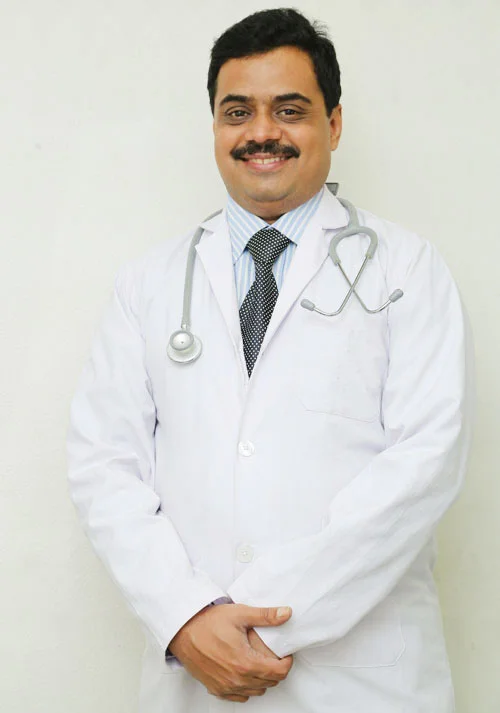
About Dr. Ashutosh Shah
Dr. Ashutosh Shah, M.S., M.Ch. (Plastic Surgery), has over 22 years of experience in body contouring after weight loss. He leads Elegance Clinic, Surat, with centres at Adajan and Vesu, and is known for honest counseling and natural looking results.