

Key Takeaways
Key Takeaways
- Mild loose thigh skin may improve with exercise and muscle building.
- Maintaining a stable weight helps prevent further skin stretching.
- A protein-rich diet and nutrients that support collagen can promote skin health.
- Topical creams may improve skin texture but cannot remove excess skin.
- Radiofrequency, ultrasound, and laser treatments can provide modest skin tightening.
- Non-surgical treatments work best for mild to moderate skin laxity.
- Significant or hanging loose skin cannot be removed without surgery.
- A thigh lift (thighplasty) removes excess skin and provides the most noticeable and long-lasting results for moderate to severe skin laxity.
- Consulting a qualified plastic surgeon can help determine the most suitable treatment based on the amount of loose skin and your goals.
Yes, mild to moderate loose thigh skin can often be improved without surgery, but non-surgical treatments cannot remove excess skin. The best approach depends on the amount of skin laxity, age, skin quality, and whether the looseness is due to weight loss, aging, or pregnancy.
Non-surgical options
1. Strength training
Building the thigh muscles can improve the appearance of loose skin by increasing the volume beneath it.
Recommended exercises include:
- Squats
- Lunges
- Bulgarian split squats
- Romanian deadlifts
- Leg press
- Leg extensions
- Hamstring curls
- Step-ups
This is especially helpful if the skin looseness is mild.
2. Weight management
If you've recently lost weight, maintaining a stable weight gives your skin the best chance to adapt. Repeated cycles of gaining and losing weight can worsen skin laxity.
3. Nutrition
Skin health depends on adequate nutrition, particularly:
- Protein
- Vitamin C
- Zinc
- Copper
- Healthy fats
- Staying hydrated
These nutrients support collagen production but won't eliminate excess skin.
4. Topical treatments
Products containing:
- Retinoids
- Peptides
- Hyaluronic acid
may improve skin texture and firmness slightly, but their effect on significant loose skin is limited.
5. Non-surgical skin-tightening procedures
These treatments stimulate collagen production:
- Radiofrequency (RF)
- Ultrasound-based treatments
- RF microneedling
- Fractional laser treatments
Benefits:
- No surgical scars
- Minimal downtime
- Gradual improvement over several months
Limitations:
- Multiple sessions are often needed.
- Results are modest compared with surgery.
- They work best for mild to moderate skin laxity.
Surgical option: Thigh Lift
A thigh lift (thighplasty) is the most effective treatment when there is moderate to severe excess skin.
What is a thigh lift?
A thigh lift is a cosmetic surgical procedure that removes excess skin and, in some cases, excess fat from the thighs. The remaining skin is tightened to create a smoother, firmer contour.
Types of thigh lifts
- Inner (medial) thigh lift: Targets loose skin on the inner thighs.
- Mini thigh lift: For mild skin laxity near the groin.
- Vertical thigh lift: For more extensive inner thigh skin removal.
- Outer thigh lift: Focuses on the outer thigh and hip area.
Who is a good candidate?
A thigh lift may be appropriate if you:
- Have significant loose or hanging thigh skin.
- Have maintained a stable weight for several months.
- Are in good overall health.
- Have realistic expectations.
- Do not smoke or are willing to stop before and after surgery, as recommended by your surgeon.
Benefits
- Removes excess skin.
- Improves thigh contour.
- Reduces chafing caused by hanging skin.
- Can make clothing fit more comfortably.
- Results are immediate, with final results becoming more apparent as swelling resolves.
Risks
As with any surgery, there are potential risks, including:
- Scarring
- Infection
- Bleeding
- Fluid collection (seroma)
- Changes in skin sensation
- Delayed wound healing
- Blood clots (rare but serious)
Recovery
Typical recovery involves:
- Walking soon after surgery to reduce clot risk.
- Wearing compression garments for several weeks.
- Limiting strenuous activity for several weeks.
- Swelling and bruising gradually improving over weeks to months.
- Scars maturing over 6–12 months or longer.
Consult a Specialist
If you're considering treatment for loose thigh skin, consulting an experienced board-certified plastic surgeon is the best way to understand your options. A thorough evaluation can help determine whether non-surgical treatments are suitable or if a thigh lift would provide the most effective and long-lasting results.
Dr. Ashutosh Shah is a board-certified Plastic, Reconstructive, and Cosmetic Surgeon with over 22 years of experience in body contouring and post-weight-loss procedures. He is the Director of Elegance Clinic in Surat and has extensive expertise in cosmetic and reconstructive surgery.
Choosing the right treatment
| Degree of loose skin | Best treatment |
|---|---|
| Mild | Strength training, weight stability, skincare, RF/ultrasound treatments |
| Moderate | Non-surgical treatments may help, but results are limited; surgery may be considered depending on goals |
| Severe or hanging skin | Thigh lift surgery is generally the most effective option |
Frequently Asked Questions
What is the best treatment for severe loose thigh skin?
A thigh lift is the most effective option for removing excess skin and improving thigh contour.
Can exercise remove loose thigh skin?
No. Exercise builds muscle and improves appearance, but does not remove excess skin.
Will a thigh lift leave scars?
Yes, but scars are usually placed in less visible areas and fade over time.
How long is the recovery after a thigh lift?
Most patients return to light activities within 2–3 weeks, with full recovery taking several weeks.
Are non-surgical skin-tightening treatments effective?
They can improve mild to moderate skin laxity but cannot remove excess skin.
Reclaim the body you earned
Book a private consultation with Dr. Ashutosh Shah at Elegance Clinic, Surat, for an honest plan made for you.
Book a Consultation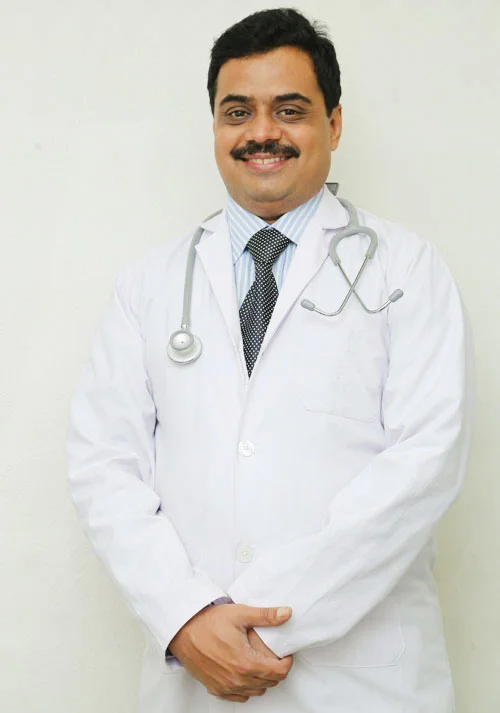
About Dr. Ashutosh Shah
Dr. Ashutosh Shah, M.S., M.Ch. (Plastic Surgery), has over 22 years of experience in body contouring after weight loss. He leads Elegance Clinic, Surat, with centres at Adajan and Vesu, and is known for honest counseling and natural looking results.