

Skin tightening after weight loss recovery time varies depending on whether treatment involves a non-surgical procedure or surgical skin removal. Recovery usually progresses through initial rest, swelling management, gradual activity, and longer-term healing. Following personalised aftercare instructions supports safer healing.
Significant weight loss can leave excess skin around the abdomen, arms, thighs, chest, or other body areas. Treatment options range from energy-based procedures to surgery that removes loose skin.
Because these treatments differ considerably, there is no universal recovery schedule.
At Elegance Clinic, Dr. Ashutosh Shah, a plastic and reconstructive surgeon, can assess individual concerns and explain expected healing, activity restrictions, and follow-up requirements.
This guide describes common recovery stages, practical precautions, and symptoms that require medical attention.
1. What Happens in the First Week?
The first week focuses on protecting treated tissues, managing discomfort, and identifying early complications.
After non-surgical radiofrequency or ultrasound-based treatment, patients may experience temporary redness, tenderness, or swelling. Some can resume routine activities relatively quickly, depending on the device and treatment intensity.
Surgical skin removal involves incisions and a more substantial healing process. Patients may experience bruising, swelling, soreness, and restricted movement.
The first 24-48 hours
Follow the discharge instructions provided by your treatment team.
After surgery, prescribed pain medication, wound dressings, and compression garments may be necessary.
Avoid unnecessary strain on the treated area. Arrange assistance with household activities if movement is uncomfortable.
Short, gentle walks may be recommended after surgery to support circulation, but follow the surgeon's individual instructions.
Days 3-7
Swelling and discomfort may persist. Surgical incisions require monitoring, and dressings should only be changed as instructed.
Do not apply unapproved creams, massage devices, or home remedies to healing wounds.
Patients should attend scheduled reviews even if recovery appears uncomplicated.
Week-by-week recovery table
The following is a general planning guide, primarily for surgical treatment. Non-surgical recovery is often shorter.
| Week | What to Expect | Allowed | Avoid |
|---|---|---|---|
| Week 1 | Swelling, soreness, early healing | Gentle walking if approved | Heavy lifting and strenuous exercise |
| Week 2 | Gradual improvement; incisions still healing | Light activities with clearance | Excessive stretching or wound tension |
| Weeks 3–4 | Improving comfort and mobility | Gradual routine activities if approved | Unapproved gym workouts |
| Weeks 5–6 | Continued tissue healing | Exercise only after medical clearance | Ignoring pain or swelling |
| After Week 6 | Ongoing scar maturation and contour changes | Activities permitted by the surgeon | Missing follow-up appointments |
Important: These are illustrative stages, not guaranteed milestones. [Dr. Ashutosh Shah to confirm procedure-specific recovery timings.]
2. When Can You Return to Work and Driving?
Returning to work depends on the treatment method, job responsibilities, discomfort, and mobility.
Patients receiving limited non-surgical treatment may require little downtime. Extensive surgical procedures generally require longer recovery.
Returning to desk work
Desk-based work may be easier to resume than physically demanding employment.
However, prolonged sitting, commuting, and fatigue can still be uncomfortable after surgery.
Patients should consider whether they can move safely, manage discomfort, and attend follow-up appointments.
Returning to physical work
Jobs involving lifting, bending, repetitive movement, or prolonged standing may require additional restrictions.
Returning too early can place tension on healing incisions.
Ask the surgeon whether temporary modified duties are appropriate.
Driving after treatment
Driving should resume only when the patient can comfortably control the vehicle, perform emergency manoeuvres, and is no longer impaired by anaesthesia or sedating medication.
After surgery, restricted movement or discomfort may delay driving.
For additional background on loose skin, read weight loss ke baad loose skin.
3. When Is Exercise Safe Again?
Exercise is important for long-term health, but restarting strenuous activity too early can interfere with surgical healing.
Skin tightening after weight loss recovery time should guide exercise decisions rather than a fixed calendar date.
Walking and gentle movement
After surgery, gentle walking is often encouraged when medically appropriate.
It helps maintain mobility without placing excessive stress on the treated area.
The recommended frequency and duration depend on the operation and the patient's condition.
Returning to the gym
Strength training, abdominal exercises, running, and high-impact activities may need to be postponed after surgical treatment.
Non-surgical procedures may have fewer restrictions, although temporary tenderness or swelling can affect comfort.
Maintaining results
Stable body weight, balanced nutrition, adequate protein intake, and smoking avoidance support general health and healing.
Exercise strengthens muscles but cannot reliably remove substantial excess skin.
Learn why in why is my skin still loose even after major weight loss.
Patients with extensive skin folds may require surgical assessment rather than repeated non-surgical sessions.
4. What Swelling, Pain or Numbness Is Normal After Skin Tightening after Weight Loss in Anand?
Swelling, discomfort, and changes in sensation can occur after treatment, but their severity and duration vary.
Patients considering skin tightening after weight loss in anand should discuss the selected procedure and its expected healing pattern with Dr. Ashutosh Shah before scheduling treatment.
Swelling and bruising
Mild swelling may follow non-surgical treatment. Surgery commonly produces more pronounced swelling and bruising.
These symptoms should generally improve as healing progresses, although surgical swelling can persist for an extended period.
Sudden, severe, or worsening swelling needs medical assessment.
Pain and tenderness
Temporary discomfort may occur following either approach.
After surgery, pain should generally become more manageable with appropriate recovery and prescribed medication.
Severe or progressively worsening pain should not be dismissed as routine healing.
Numbness or altered sensation
Temporary numbness can occur when small sensory nerves are affected during surgery.
Sensation may improve gradually, but persistent changes are possible.
Discuss expected sensory changes before treatment.
For information about surgical correction of excess leg skin, see is leg skin excision right for you after major weight loss.
5. Which Signs Mean You Should Call the Clinic?
Recognising complications early is an important part of skin tightening after weight loss recovery time and aftercare.
Contact your surgical team promptly if you experience increasing redness, worsening wound pain, unusual discharge, fever, wound separation, or swelling that suddenly becomes more pronounced.
Heavy bleeding, persistent vomiting, or an inability to manage pain also requires medical advice.
Seek emergency medical care immediately for chest pain, severe breathlessness, fainting, or symptoms suggesting a blood clot, such as new painful swelling in one leg.
Do not wait for a scheduled follow-up when serious warning signs occur.
Planning follow-up care
Patients should clarify how many appointments are needed and whether travel is appropriate during early recovery.
Some assessments may be possible remotely, but wound problems and complications can require an in-person examination.
For appointments with Dr. Ashutosh Shah, visit the contact page.
Conclusion
Skin tightening after weight loss recovery time differs considerably between non-surgical procedures and surgical skin removal.
Early recovery focuses on managing swelling, protecting treated tissues, and following medical instructions. Returning to work, driving, and exercise should depend on individual healing rather than a fixed schedule.
At Elegance Clinic, Dr. Ashutosh Shah can explain treatment-specific recovery expectations, warning signs, and follow-up requirements.
Frequently Asked Questions
How many days off work should I plan?
Time away from work depends on whether treatment is non-surgical or surgical, the treated area, and your job responsibilities. Desk work may be possible sooner than physically demanding activities.
When can I sleep normally?
Sleeping restrictions depend on the treated area and whether surgery was performed. Some patients may need a supported position that reduces pressure or tension on healing incisions. Follow your surgeon's instructions rather than changing positions based on comfort alone.
When can I go back to the gym?
Patients considering skin tightening after weight loss in anand should discuss gym restrictions before treatment. Non-surgical procedures may involve shorter activity limitations, while surgery requires additional healing. Heavy lifting and strenuous workouts should resume only after clearance.
Is numbness normal after surgery?
Temporary numbness or altered skin sensation can occur after surgical removal of excess skin because small nerves may be affected. Sensation sometimes improves gradually, but changes can persist. Report worsening symptoms or numbness accompanied by severe pain or swelling. Your surgeon should explain individual risks before treatment.
When will I see the final result?
Results depend on the treatment selected. Non-surgical tightening may develop gradually, and the improvement can be limited. Surgical contour changes are visible earlier, but swelling and scar maturation continue over time.
Reclaim the body you earned
Book a private consultation with Dr. Ashutosh Shah at Elegance Clinic, Surat, for an honest plan made for you.
Book a Consultation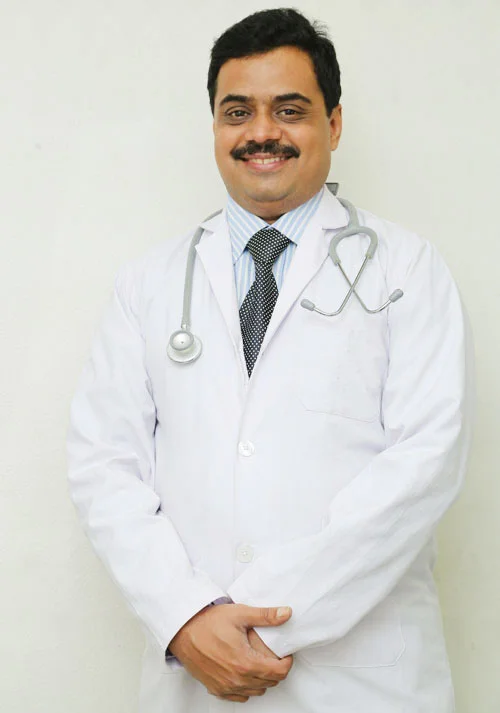
About Dr. Ashutosh Shah
Dr. Ashutosh Shah, M.S., M.Ch. (Plastic Surgery), has over 22 years of experience in body contouring after weight loss. He leads Elegance Clinic, Surat, with centres at Adajan and Vesu, and is known for honest counseling and natural looking results.